
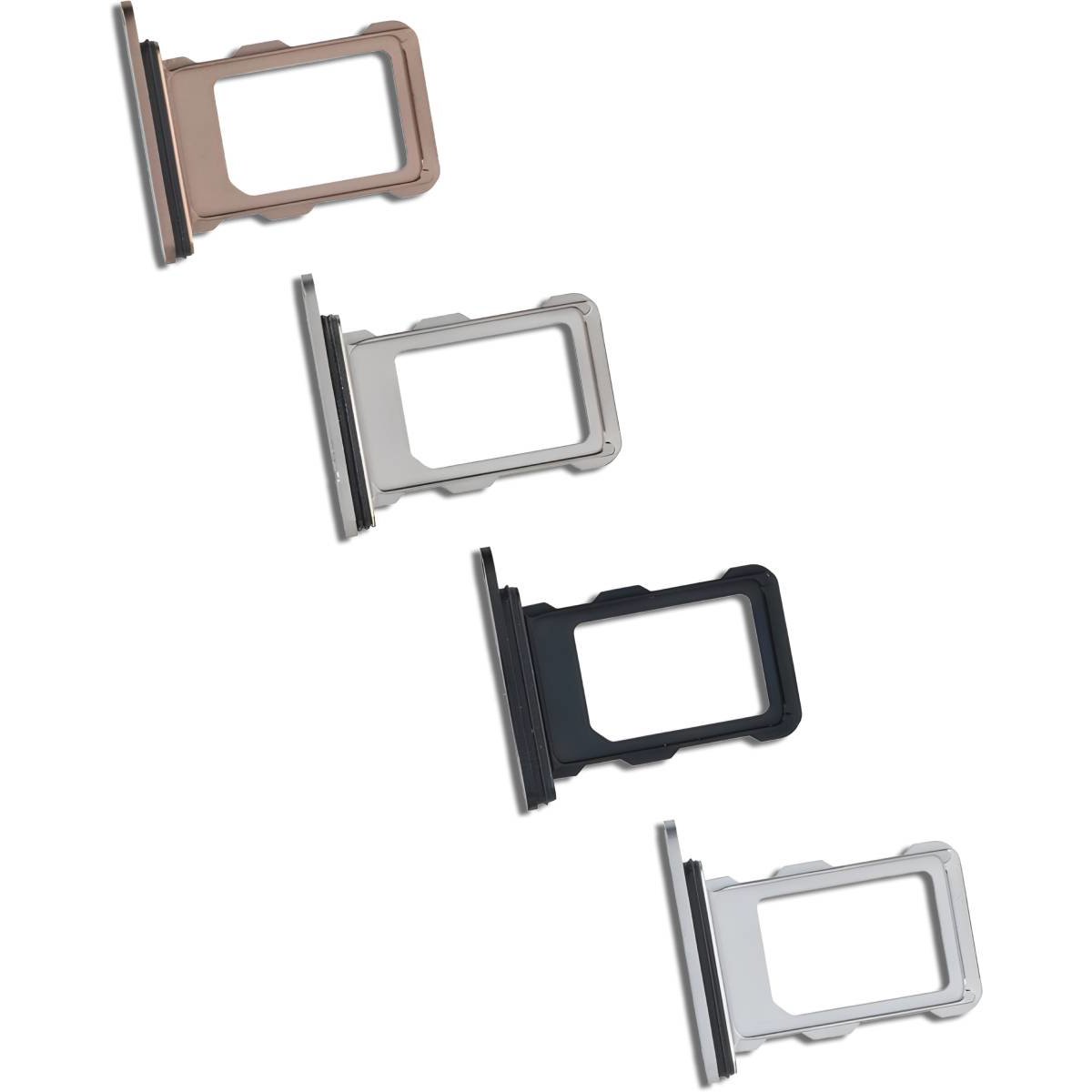
iPhone 16 Pro SIM Card Slot - Let me just jump right in here because I know this is probably driving you nuts if you're considering buying one of these things.
So you're thinking about picking up the new iPhone 16 Pro. Maybe you've already ordered one. But here's something that might catch you off guard—especially if you live in the States or you're planning to buy a US model.
The iPhone 16 Pro sim card slot situation is a bit weird right now. American models don't have a physical tray at all. Gone. Vanished. Apple decided to go all-in on eSIM for US buyers, and honestly? It's caused quite a stir.
Let me break this down for you properly, because there's a lot of confusion floating around.
Wait, There's No SIM Tray?
Yep, you read that right. If you grab an iPhone 16 Pro from an Apple Store in America, you won't find an iPhone 16 Pro sim card slot anywhere on the device. That little hole on the side where you'd normally poke a paperclip? Not there.
Now, before you panic—this isn't new. Apple started this with the iPhone 14 series in the US. But somehow, people are still getting caught out. I've seen forum posts from folks who bought their phone, went on holiday, and then realised they couldn't just buy a local SIM card like they always used to.
It's a proper headache if you weren't expecting it.
Why Would Apple Do This?
Good question. And honestly, the answer depends on who you ask. Apple reckons eSIM is the future. They're probably right, to be fair. Digital SIMs mean you can switch carriers without waiting for a physical card to arrive in the post.
You can have multiple numbers active on one device. There's no tiny piece of plastic to lose or damage.
But here's the thing—the lack of an iPhone 16 Pro sim card slot creates real problems for certain people. Travelers, mainly. Also folks living in areas where smaller carriers haven't bothered with eSIM support yet.
Apple looked at the US market and decided it was ready. Whether that's true or not? Well, opinions vary.
The US vs Everyone Else
Here's where it gets properly confusing. Not all iPhone 16 Pro models are the same.
Buy one in the UK, and you get both options. There's a physical iPhone 16 Pro sim card slot AND eSIM support. Best of both worlds, really. Same story in most of Europe, Australia, plenty of Asian markets.
But American models? eSIM only. No exceptions.
This matters more than you might think. Let's say you pick up a secondhand iPhone 16 Pro on eBay. The seller says it's unlocked, works fine, great condition. Everything checks out. Then you try to pop your SIM card in and... nowhere to put it.
Turns out the phone was originally sold in the US. Now you're stuck with a device that might not work properly with your carrier.
Always check where a phone originated from before buying secondhand. Seriously.
Travel Headaches Are Real
Look, I travel a fair bit. And the first thing I do when landing in a new country is grab a local SIM. Airport newsagent, corner shop, random bloke selling them on the beach—doesn't matter. Five minutes later, I've got data and I'm sorted.
Without an iPhone 16 Pro sim card slot, that whole system falls apart.
You've got a few options, but none are as convenient:
- International eSIM services exist. Airalo, Holafly, that sort of thing. They work, but you're paying premium rates and coverage varies.
- Your home carrier's roaming packages. Usually expensive enough to make your eyes water.
- WiFi only. Fine for holidays, nightmare for business trips.
The freedom to just buy a cheap physical SIM wherever you are? That's gone. At least for US model owners.
Who Actually Loses Out Here?
Let's be real—plenty of people won't care about the missing iPhone 16 Pro sim card slot one bit.
If you:
- Never leave the country
- Use a major carrier with full eSIM support
- Don't mind paying roaming charges when you do travel
Then honestly, this change doesn't affect your daily life. Your phone works exactly as expected.
But for others, it's a different story.
Frequent travelers feel it most. Business folks popping over to Europe or Asia regularly now need to plan their connectivity in advance. No more landing and grabbing the first prepaid SIM you see.
Budget users suffer too. Physical SIMs often offer better deals, especially prepaid options. eSIM pricing hasn't quite caught up in all markets.
Then there's the rural crowd. Some smaller regional carriers in the US still don't support eSIM. Their customers are effectively locked out of newer iPhones unless they switch providers.
The Repair Angle Nobody Talks About
Here's something most reviews skip over entirely.
International iPhone models with physical SIM trays can develop issues. The mechanism wears out. Contacts get dirty or corroded. Sometimes trays get jammed or damaged.
When that happens, you need replacement parts. That's where suppliers like E-TECH61 come in—they're a UK-based online store stocking mobile phone parts for all sorts of repairs. SIM tray assemblies, internal connectors, the works.
Funny enough, US model owners never deal with tray repairs because there's nothing to break. But they also never had the flexibility a physical slot provides.
Makes you think about trade-offs differently, doesn't it?
Living With eSIM Only
To be fair, eSIM does have its perks.
Switching carriers takes about thirty seconds. Scan a QR code, follow a couple prompts, done. No waiting for the post, no hunting for that weird little SIM tool thing.
You can store multiple eSIM profiles too. Work number, personal number, travel SIM—all sitting on your phone ready to activate. The iPhone 16 Pro sim card slot might be gone, but you can still juggle different numbers easily enough.
For day-to-day use in your home country? eSIM is genuinely convenient. Most people won't think twice about it.
It's only when things go wrong—or when you travel somewhere with limited eSIM options—that the absence of a physical slot stings.
What About UK Buyers?
Good news here. If you're buying your iPhone 16 Pro in Britain, you're sorted.
UK models include the iPhone 16 Pro sim card slot alongside eSIM capability. Apple hasn't removed physical trays from our market. Whether that changes in future generations? Nobody knows for sure, but for now we've got both options.
This actually makes UK-sold phones more versatile than their American counterparts. And potentially more valuable on the secondhand market too, especially to buyers who travel.
Something to bear in mind if you're weighing up import options. That cheaper US price tag might cost you more in the long run.
Checking Your Phone
Not sure what you've got? Here's a quick test.
Grab a paperclip or SIM tool. Feel along the left edge of your iPhone 16 Pro. Looking for that small hole next to a thin rectangular outline.
If it's there, congrats—you've got a physical iPhone 16 Pro sim card slot.
If the edge is completely smooth? You've got a US model. No slot for you.
Takes about three seconds to check. Worth doing before you commit to any purchase, especially secondhand.
Before You Buy
A bit of homework goes a long way here.
Ask yourself:
- Where will I use this phone primarily?
- Do I travel internationally? If so, where?
- Does my carrier support eSIM properly?
- What's my backup plan if eSIM doesn't work somewhere I'm going?
The iPhone 16 Pro sim card slot absence isn't a dealbreaker for everyone. But it is something you should know about before handing over your money.
Too many people have been caught out already. Don't add yourself to that list.
Looking Ahead
Apple's direction seems pretty clear. The missing iPhone 16 Pro sim card slot in American models is probably a preview of what's coming globally. They've done this before—removed features people thought were essential, waited for the complaints to die down, then rolled the change out everywhere.
We've seen it with headphone jacks. Home buttons. Charging bricks in the box.
Physical SIM trays probably aren't long for this world, even in markets that still have them.
Whether that's progress or just Apple being Apple? You decide.
Final Thoughts
Here's the bottom line. US iPhone 16 Pro models don't have a physical SIM tray. The iPhone 16 Pro sim card slot simply doesn't exist on American units. You're reliant on eSIM, full stop.
International models—including UK ones—give you both options. Physical slot and eSIM support in one device.
Neither approach is wrong, exactly. They just serve different needs. The key is understanding what you're getting before you buy.
If you're in the UK, buying locally makes the most sense. You get flexibility, resale value, and the peace of mind that comes with having options. And should anything go wrong with your device down the line, parts suppliers like E-TECH61 have you covered for repairs.
The iPhone 16 Pro sim card slot question isn't complicated once you know the facts. Now you do.
Share:
Does the iPhone 16 Have a SIM Card? Physical Tray for International
Cheap iPhone 13 Pro Refurbished: Price Comparison & Tips