
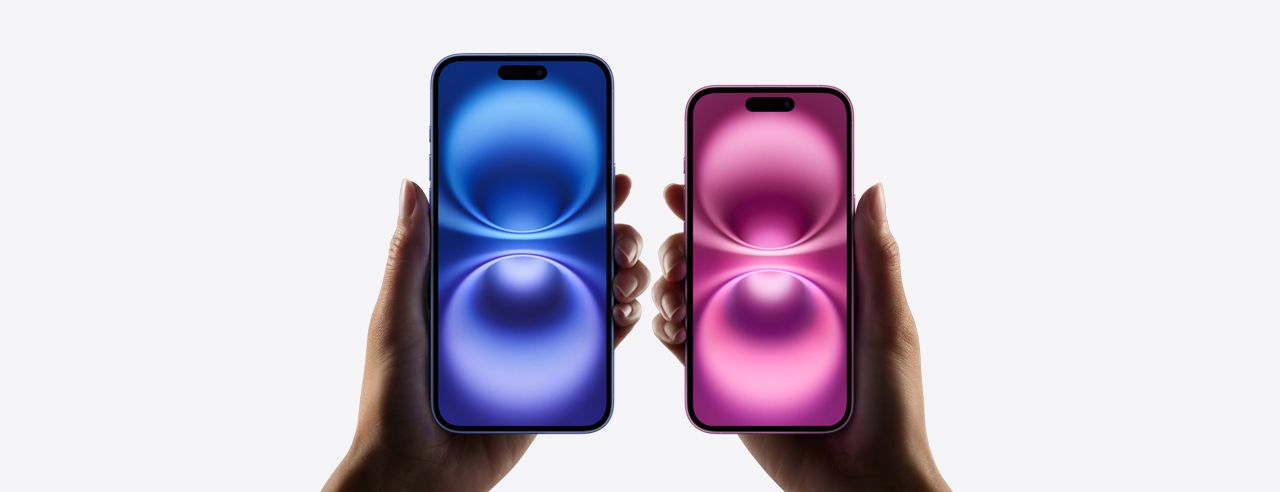
The question surfaces immediately after purchasing a new iPhone 16. Salespeople present insurance options alongside device transactions. Marketing materials emphasise protection importance. Yet rational consumers pause before committing additional funds. Does the mathematics actually support purchasing coverage, or do insurers profit from consumer anxiety?
This analysis examines iPhone 16 insurance through rigorous cost-benefit evaluation. Raw numbers replace emotional appeals. Statistical probabilities inform realistic expectations. Different user circumstances receive distinct treatment recognising that universal answers rarely apply to personal financial decisions.
Understanding whether insurance represents sound financial decision requires examining multiple factors. Premium costs, excess fees, claim probabilities, repair expenses, and personal risk tolerance all influence appropriate conclusions. This examination provides framework for informed individual decisions rather than prescribing universal answers.
The Core Financial Question
Insurance fundamentally transfers risk from individuals to insurers in exchange for premium payments. Insurers profit when collected premiums exceed claim payouts plus administrative costs. This mathematical reality means average consumers pay more in premiums than they receive in claims.
However, averages obscure individual variation. Some consumers never claim, effectively subsidising others who claim repeatedly. Individual outcomes vary dramatically from statistical means. This variation creates scenarios where insurance proves either excellent or poor value for specific individuals.
iPhone 16 insurance decisions require estimating personal claim probability and comparing expected outcomes with and without coverage. Users expecting above-average claim frequency benefit more from coverage than careful users with historically intact devices.
The question transforms from whether insurance benefits average consumers to whether insurance benefits specific individuals given their circumstances, behaviours, and risk tolerance. This reframing enables personalised analysis rather than generic recommendations.
Comprehensive Cost Breakdown
Accurate cost-benefit analysis requires thorough cost enumeration. Both insurance costs and potential repair expenses without coverage demand examination.
Insurance Premium Structures
AppleCare+ for iPhone 16 models carries pricing reflecting device value tiers. Base iPhone 16 coverage costs less than Pro Max protection proportionally. Two-year upfront pricing ranges from approximately £149 for standard models to £249 for Pro Max variants depending on coverage tier selection.
Monthly payment alternatives spread costs across ownership periods. Monthly rates between £7.49 and £13.49 depending on model and coverage level accumulate across extended timeframes. Users maintaining coverage for three years through monthly payments pay substantially more than two-year upfront purchasers.
AppleCare+ with Theft and Loss adds significant premium above standard AppleCare+ pricing. This enhanced iPhone 16 insurance coverage addresses risks excluded from basic protection at meaningful cost increase.
Third-party insurers offer varying premium structures. Network operator insurance typically runs £10 to £18 monthly. Specialist providers may undercut these rates while maintaining comparable coverage. Annual premiums between £80 and £200 characterise the competitive landscape.
Bank account insurance provides coverage within broader account fee structures. Monthly fees between £12 and £25 incorporate device protection alongside other benefits. Users valuing additional account features effectively reduce insurance cost allocation.
Service Fee Reality
Premiums represent only partial insurance cost. Excess fees accompany every claim regardless of damage severity. These per-incident charges significantly affect true insurance economics.
AppleCare+ screen or back glass repair carries service fees around £25. Other accidental damage incurs approximately £99 service fees. Theft and loss claims require roughly £129 excess payment per incident.
Third-party insurer excess fees typically exceed AppleCare+ equivalents. Fees between £50 and £150 per claim appear commonly across providers. Higher excess fees accompanying lower premiums may prove more expensive for users making claims.
Total claim cost equals premium payments plus applicable excess fees. This combined figure determines actual insurance expenditure. Comparing combined costs against repair costs without coverage reveals true value proposition.
Repair Costs Without Insurance
Understanding repair expenses without coverage establishes comparison baseline. Apple's out-of-warranty pricing represents maximum exposure for common repairs.
iPhone 16 Pro Max screen replacement through Apple costs approximately £349 without AppleCare+ coverage. Base model screen repairs cost somewhat less reflecting simpler display assemblies. These figures represent significant expense from single incidents.
Back glass replacement carries similar pricing to screen repairs. Combined front and back damage doubles exposure substantially. Single accidents causing multiple component damage create expensive repair scenarios.
Battery replacement outside warranty costs approximately £99 through Apple service channels. This inevitable expense affects all devices eventually regardless of careful usage. Insurance covering battery service provides guaranteed future value.
Other damage categories carry variable pricing depending on affected components. Camera system repairs, button replacements, and internal component damage incur charges reflecting repair complexity. Maximum repair costs approach device replacement value for severe damage.
Water damage despite improved resistance ratings often requires complete device replacement rather than component repair. Internal corrosion and component damage from liquid exposure proves difficult to repair cost-effectively. Replacement device cost without coverage equals full retail pricing.
Statistical Risk Assessment
Rational iPhone 16 insurance decisions require realistic probability estimates for various claim scenarios. Industry data and research findings inform reasonable expectations.
Accidental Damage Frequency
Research into smartphone damage rates reveals meaningful probability figures. Studies indicate approximately 25 to 30 percent of smartphone users experience screen damage within two years of ownership. This substantial minority faces repair expenses or degraded device functionality.
Cracked screens represent the most common damage type, but not the only concern. Back glass damage, water exposure, and other accidental damage contribute additional risk. Combined damage probability across all categories exceeds screen-only statistics.
Individual variation around average rates proves substantial. Careful users maintaining devices in protective cases with mindful handling experience damage rates well below average. Careless users or those in demanding environments exceed average rates significantly.
Previous device history provides meaningful predictive information. Users with multiple historically damaged devices face elevated future risk. Users maintaining devices without damage through multiple ownership cycles demonstrate lower ongoing risk.
Environmental and behavioural factors affect individual probability. Active outdoor lifestyles, physical occupations, young children in households, and frequent travel all elevate damage risk. Desk-bound professionals with controlled environments face reduced exposure.
Theft and Loss Statistics
Theft and loss data reveals additional risk dimensions. UK smartphone theft rates have fluctuated but remain meaningful in urban environments. Opportunistic theft during public transit usage and distracted moments creates ongoing exposure.
Loss frequency varies dramatically by individual. Some users never misplace devices across decades of ownership. Others repeatedly lose or leave devices in various locations. Personal history indicates individual loss probability.
Combined theft and loss probability over two-year ownership periods reaches approximately 2 to 5 percent depending on location and circumstances. Urban residents and frequent travellers face elevated rates. Rural residents with predictable routines experience lower probability.
iPhone 16 insurance including theft and loss coverage addresses these risks specifically. Premium differences between coverage tiers reflect insurer assessment of theft and loss claim costs.
Total Claim Probability
Combining accidental damage, theft, and loss probabilities provides comprehensive risk picture. Total claim probability across all covered incidents reaches roughly 30 to 40 percent over two-year periods for average users.
This probability means majority of insurance purchasers never claim. Premiums paid by non-claimants subsidise payments to claimants. This redistribution defines insurance function.
Individual probability deviation from average determines personal insurance value. Users with above-average risk benefit disproportionately. Below-average risk users effectively subsidise others.
Honest self-assessment of personal risk profile enables appropriate decisions. Users should evaluate their history, behaviour, environment, and circumstances when estimating personal probability.
Break-Even Analysis
Mathematical break-even points clarify minimum claim scenarios justifying insurance purchase. These calculations reveal required claim frequency for insurance to prove financially beneficial.
AppleCare+ Calculations
Consider iPhone 16 Pro Max with AppleCare+ costing approximately £199 for two-year coverage. Screen repair service fee equals £25, while screen repair without coverage costs approximately £349.
Net savings per screen repair claim equals £349 minus £25, totalling £324 saved per incident. Insurance cost of £199 requires claiming to achieve break-even. Single screen repair claim with £324 savings exceeds £199 premium, suggesting positive value from one screen incident.
However, this simplified calculation ignores probability. Expected value calculation multiplies savings by claim probability. With 25 percent screen damage probability, expected savings equal £324 multiplied by 0.25, yielding £81 expected value. This figure falls below £199 premium cost.
More comprehensive calculation incorporates all covered incidents. Adding battery replacement value, other accidental damage coverage, and extended warranty benefits increases expected value. Total expected value may approach or exceed premium cost when all covered scenarios receive consideration.
Break-even probability calculation works inversely. Dividing premium cost by per-claim savings reveals required claim probability for break-even. £199 divided by £324 equals approximately 61 percent. Users with screen damage probability approaching this threshold benefit from coverage.
Third-Party Insurance Calculations
Third-party iPhone 16 insurance with lower premiums but higher excess fees produces different mathematics. Consider annual premium of £100 with £100 excess fee.
Screen repair savings equal £349 minus £100, totalling £249 per claim. Break-even probability equals £100 divided by £249, approximately 40 percent. Lower premium reduces break-even threshold despite higher excess fee.
However, total two-year cost with third-party insurance doubles annual premium to £200. This figure approaches or exceeds AppleCare+ pricing while potentially offering broader coverage. Direct comparison requires matching coverage scopes.
Theft and loss inclusion affects calculations substantially. Theft replacement savings equal full device cost minus excess fee. iPhone 16 Pro Max replacement value around £1,199 minus £129 excess yields £1,070 savings per theft claim. Even low theft probability creates meaningful expected value given large per-incident savings.
Self-Insurance Alternative
Self-insurance means accepting repair costs directly rather than paying premiums. Unspent premiums remain available for repairs if needed. This approach suits users with financial capacity absorbing unexpected expenses.
Setting aside insurance premium equivalent in savings creates personal repair fund. £200 over two years provides substantial repair budget. Screen repair costing £349 would require supplementing saved amount, but total expenditure remains comparable to insurance plus excess fee.
Self-insurance advantages include retaining funds when no claims occur. Insurance premiums paid without claims represent permanent cost. Self-insurance funds not needed for repairs remain personal assets.
Self-insurance disadvantages include exposure to maximum repair costs without protection ceiling. Catastrophic damage or theft without coverage requires full replacement funding. Users unable to absorb such expenses face problematic exposure through self-insurance.
iPhone 16 insurance decisions fundamentally balance these considerations. Risk-averse users prefer insurance protection ceiling. Risk-tolerant users with financial cushion may prefer self-insurance expected value advantage.
User Profile Analysis
Different user circumstances warrant different conclusions. Examining distinct user profiles illustrates appropriate decision variation.
High-Risk User Profile
Consider users with elevated damage probability. Active outdoor lifestyles involving hiking, cycling, or water activities increase exposure. Physical occupations in construction, healthcare, or manufacturing create demanding device environments.
Previous device damage history indicates ongoing risk. Users who have claimed insurance previously or paid out-of-pocket for repairs demonstrate elevated probability. Young children in households creating grab-and-drop scenarios add risk.
High-risk users benefit substantially from iPhone 16 insurance coverage. Above-average claim probability shifts expected value calculations favourably. Comprehensive coverage with reasonable excess fees proves cost-effective over ownership periods.
These users should prioritise coverage breadth over premium minimisation. Lower excess fees reduce per-claim costs when multiple claims prove likely. Theft and loss coverage inclusion makes sense given elevated overall risk profile.
Low-Risk User Profile
Contrast with careful users maintaining devices successfully through multiple ownership cycles. Office-based professionals with controlled environments face minimal damage exposure. Predictable routines in low-crime areas reduce theft and loss probability.
Users without previous device damage demonstrate capability maintaining intact devices. Protective cases and screen protectors providing physical protection reduce damage probability further. Mindful handling habits developed over years provide behavioural protection.
Low-risk users face less favourable insurance mathematics. Below-average claim probability means expected value falls short of premium costs. Self-insurance or minimal coverage may prove more appropriate.
These users might consider AppleCare+ primarily for extended warranty and battery coverage rather than accidental damage protection. Alternatively, self-insurance with repair fund establishment preserves expected value advantage while maintaining repair capability.
Budget-Conscious Users
Financial circumstances affect appropriate coverage regardless of risk profile. Users with limited discretionary budgets face difficult trade-offs between protection and other priorities.
Insurance premium costs compete with other essential expenditures. £200 over two years represents meaningful sum for budget-constrained individuals. Foregone insurance enables other spending or saving priorities.
However, budget-conscious users often face greatest difficulty absorbing unexpected repair costs. £349 screen repair represents substantial burden on limited budgets. This vulnerability argues for protection despite premium costs.
iPhone 16 insurance decisions for budget-conscious users require weighing premium burden against repair expense exposure. Monthly payment options spread costs more manageably. Higher excess fee policies reduce premiums while maintaining catastrophic protection.
Selecting coverage matching actual risk exposure optimises limited insurance budgets. Users primarily concerned with theft may choose theft-only supplemental coverage. Users primarily concerned with accidental damage may select damage-focused policies.
Frequent Upgraders
Users upgrading devices annually face distinct calculations. Insurance coverage periods may exceed ownership duration, wasting premium on coverage never utilised.
AppleCare+ monthly payment options enable coverage duration matching ownership plans. Cancelling coverage before device sale or trade-in eliminates unnecessary expense. This flexibility suits frequent upgraders.
Transferability affects resale value calculations. AppleCare+ transfers with devices to new owners, potentially enhancing resale prices. Third-party policies may or may not transfer depending on provider terms.
Short ownership periods reduce total damage probability proportionally. One-year ownership faces roughly half the damage probability of two-year ownership. Reduced probability affects expected value calculations accordingly.
Frequent upgraders should calculate insurance cost per ownership year when comparing options. Annual costs better reflect actual coverage utilisation than total policy costs.
Alternative Protection Approaches
Beyond traditional insurance, alternative approaches to device protection merit consideration. These options may complement or substitute for conventional coverage.
Preventive Investment
Quality protective accessories reduce damage probability regardless of insurance status. This prevention-focused approach addresses risk at source rather than transferring financial consequences.
Premium cases providing drop protection, raised edges, and corner reinforcement substantially reduce damage from common accidents. Investment between £30 and £80 in quality case protection often proves more cost-effective than repeated insurance claims.
Screen protectors add protection layer against scratches and impacts. Modern tempered glass protectors maintain display clarity and touch sensitivity while providing meaningful protection. Combined case and screen protector protection addresses most common damage scenarios.
E-TECH61 operates as a UK-based online store providing iPhone accessories alongside replacement parts. Quality protective accessories from established suppliers like E-TECH61 support preventive protection strategies.
Preventive investment return calculation compares accessory cost against damage probability reduction. If £50 accessory investment reduces £349 repair probability from 25 percent to 10 percent, expected savings equal £52.35. This positive return makes preventive investment financially sound.
Self-Repair Capability
Developing self-repair capability provides alternative to insurance-funded professional repair. Users comfortable with technical procedures can address certain repairs independently at reduced cost.
Apple's Self Service Repair programme provides genuine parts and repair guides. iPhone 16 components available through official channels enable authorised self-repair meeting Apple specifications.
Third-party parts suppliers like E-TECH61 offer components for various repair needs. UK-based operation ensures convenient domestic shipping and applicable consumer protections. Comprehensive iPhone parts availability supports diverse repair requirements.
iPhone 16 insurance combined with self-repair capability provides layered protection. Insurance addresses catastrophic situations requiring professional intervention. Self-repair handles minor issues more cost-effectively than insurance claims given excess fees.
Screen protector replacement, minor cosmetic repairs, and eventually battery replacement represent common self-repair candidates. Parts costs through suppliers like E-TECH61 often fall below insurance excess fees. This economics makes self-repair preferable for applicable situations.
Technical capability requirements limit self-repair applicability. Users without relevant experience or comfort with precision procedures should not attempt component repairs. Professional repair remains appropriate for most users despite cost implications.
Credit Card Protection
Certain credit cards provide purchase protection including damage coverage for limited periods following purchase. This coverage may eliminate need for insurance during initial ownership months.
Coverage periods typically range from 90 to 180 days depending on card benefits. Damage occurring within these periods may qualify for card-funded repair or replacement. Understanding card benefits reveals potentially overlooked coverage.
Extended warranty benefits through premium credit cards may supplement manufacturer warranty. Additional coverage beyond standard warranty reduces insurance necessity for defect protection.
Combining credit card benefits with later insurance purchase optimises protection timing. Card coverage during initial period followed by insurance for extended protection eliminates coverage overlap while maintaining continuous protection.
Hidden Costs and Considerations
Beyond direct financial comparison, additional factors influence iPhone 16 insurance value assessment.
Claim Process Friction
Insurance claims require time and effort beyond monetary cost. Documenting damage, contacting providers, submitting claims, and arranging service consume valuable time. This friction represents real cost often overlooked in financial analysis.
Provider variation in claims experience affects true insurance value. Smooth, rapid claims processes enhance value beyond coverage terms. Difficult, delayed claims processes diminish value despite adequate coverage. Reputation research informs provider selection.
Claim denial risk creates uncertainty around coverage reliability. Insurers may dispute damage circumstances or coverage applicability. Understanding policy terms thoroughly reduces denial risk. Clear documentation supports claim positions.
Device Downtime Impact
Repair and replacement processes create periods without device availability. For users dependent on iPhone functionality, this downtime carries meaningful cost beyond repair expenses.
Express replacement services minimising downtime add value beyond basic coverage. AppleCare+ Express Replacement Service ships replacements before returning damaged devices. This benefit suits users requiring continuous device availability.
Third-party providers vary in replacement speed. Some providers maintain stock enabling rapid shipping. Others require assessment and processing periods extending downtime. Understanding service timelines informs provider selection.
Professional users experiencing revenue impact from device unavailability should weight downtime costs heavily. Insurance options minimising downtime prove more valuable for these users despite potentially higher premiums.
Data and Setup Costs
Device replacement entails data restoration and setup time regardless of insurance coverage. This inconvenience accompanies all replacement scenarios whether insured or uninsured.
Regular backup practices reduce data loss risk. iCloud backup or computer-based backup ensures recent data availability following device loss or damage. This practice proves essential regardless of insurance status.
Setup time recreating device configuration represents hidden replacement cost. App installations, settings adjustments, and personalisation require hours of effort. This cost accompanies replacement regardless of funding source.
These considerations affect all replacement scenarios equally. iPhone 16 insurance neither increases nor decreases these costs. However, recognising their existence provides complete picture of damage or loss consequences.
Depreciation Reality
Device value decreases throughout ownership regardless of condition. Replacement coverage providing new devices effectively reverses depreciation at claim time. This hidden benefit increases insurance value beyond repair cost savings.
Two-year-old iPhone 16 facing replacement receives current model replacement through many policies. Original purchase price depreciated significantly, yet replacement value reflects current pricing. This value differential benefits policyholders.
New-for-old replacement policies explicitly provide this benefit. Refurbished replacement policies may not fully restore current value. Understanding replacement terms clarifies this value component.
Self-insurance fails to capture depreciation reversal benefit. Repair funds accumulated through premium savings cannot restore depreciated device value. This consideration favours insurance for users planning extended ownership.
Decision Framework
Synthesising analysis into practical decision guidance enables confident choices matching individual circumstances.
When Insurance Proves Worthwhile
iPhone 16 insurance provides positive expected value for users with elevated claim probability. Previous device damage history, demanding usage environments, and active lifestyles indicate above-average risk. These users benefit from comprehensive coverage.
Users unable to absorb unexpected repair or replacement costs benefit from insurance risk transfer. Financial vulnerability to device expenses argues for coverage regardless of claim probability. Insurance provides certainty eliminating unwelcome financial surprises.
Users placing high value on service convenience and rapid resolution benefit from insurance infrastructure access. AppleCare+ and quality third-party providers offer streamlined claims processes and rapid replacement. This convenience carries value beyond pure financial calculations.
Frequent travellers and users in higher-crime areas benefit from theft and loss coverage specifically. Elevated exposure to these risks shifts expected value calculations favourably. Theft and loss coverage inclusion proves worthwhile for these users.
When Insurance Proves Questionable
Careful users with demonstrated device protection capability may find insurance expected value negative. Low claim probability means premium payments unlikely to yield claims. Self-insurance preserves expected value advantage for these users.
Financially resilient users capable of absorbing repair or replacement costs may prefer retaining premium funds. Self-insurance through dedicated savings provides repair capability while retaining unused funds. This approach suits users comfortable managing financial risk.
Users upgrading frequently face reduced ownership period risk exposure. Short ownership reduces claim probability proportionally. Insurance costs relative to abbreviated coverage periods prove less attractive.
Users primarily concerned with minor damage may find excess fees eliminate insurance value. Repairs costing less than excess fees gain nothing from insurance claims. Preventive protection and self-repair capability address these situations more cost-effectively.
Personalised Calculation Approach
Individual decisions benefit from personalised expected value calculation. Estimate personal claim probability for each covered scenario. Multiply probability by net savings per claim. Sum expected values across scenarios. Compare total expected value against premium cost.
Positive expected value indicates insurance provides favourable mathematics. Negative expected value suggests self-insurance offers better expected outcome. Personal risk tolerance then determines whether certainty premium justifies unfavourable expected value.
This calculation framework applies across iPhone 16 insurance options. Comparing expected value across providers and coverage tiers reveals optimal selection given personal circumstances.
Honest self-assessment proves essential for accurate calculation. Overestimating personal carefulness inflates expected value inappropriately. Underestimating risk exposes users to inadequately protected scenarios.
Practical Recommendations
Concluding analysis with actionable guidance enables immediate decision implementation.
For Most Users
Comprehensive analysis suggests moderate coverage proves appropriate for typical users. AppleCare+ standard coverage provides reasonable protection at manageable cost. Extended warranty and accidental damage coverage address common scenarios.
Supplementing AppleCare+ with quality protective accessories from suppliers like E-TECH61 reduces damage probability. Combined protection and prevention approach optimises total cost while maintaining coverage.
Self-repair capability for minor issues reduces excess fee expenditure on small claims. E-TECH61 provides iPhone parts supporting independent repair for applicable situations. This capability complements insurance coverage efficiently.
For High-Risk Users
Comprehensive coverage including theft and loss protection suits elevated risk profiles. AppleCare+ with Theft and Loss or equivalent third-party coverage addresses full risk spectrum.
Lower excess fee options reduce per-claim costs when multiple claims prove likely. Premium differences often prove worthwhile given expected claim frequency. Coverage breadth takes priority over premium minimisation.
Maximum preventive investment makes sense alongside comprehensive coverage. Quality cases, screen protectors, and careful handling habits reduce claims despite insurance availability. Prevention remains preferable to claims regardless of coverage.
For Low-Risk Users
Self-insurance consideration makes sense for demonstrably careful users. Premium savings retained in dedicated repair fund provide protection while preserving unused funds.
Minimal coverage focusing on extended warranty and battery service may suffice. AppleCare+ standard tier provides these benefits without comprehensive accidental damage focus. This targeted approach reduces premium expenditure.
Preventive accessories from E-TECH61 and mindful handling practices provide primary protection. Insurance serves backup role rather than primary protection for careful users.
For Budget-Conscious Users
Monthly payment options spread costs manageably. AppleCare+ monthly payments enable coverage without large upfront expenditure. Third-party providers with monthly billing provide similar flexibility.
Higher excess fee policies trading reduced premiums for increased per-claim cost may prove appropriate. Users with low expected claim frequency benefit from premium reduction. Understanding this trade-off enables informed selection.
Prioritising coverage matching primary concerns optimises limited budgets. Users primarily worried about theft select theft-focused coverage. Users primarily worried about drops select accidental damage coverage. Targeted protection maximises value per premium pound.
Conclusion
The question of whether iPhone 16 insurance proves worthwhile defies universal answer. Individual circumstances, risk profiles, and preferences determine appropriate conclusions for specific users.
Mathematical analysis reveals insurance transfers expected value from policyholders to insurers on average. This reality means typical consumers pay more than they receive. However, individual outcomes vary substantially from averages.
Users with elevated claim probability benefit from insurance risk transfer despite average expected value deficit. Above-average risk shifts personal expected value favourably. Comprehensive coverage proves sound financial decision for high-risk users.
Users with below-average risk face unfavourable insurance mathematics. Self-insurance through premium savings retention offers superior expected value. Careful users with financial resilience may reasonably decline coverage.
Risk tolerance independent of expected value affects appropriate decisions. Risk-averse users may rationally pay certainty premium for protection peace of mind. This preference transcends pure mathematical optimisation.
Preventive Protection
Preventive protection through quality accessories reduces damage probability regardless of insurance status. E-TECH61 provides protective accessories and replacement parts supporting comprehensive protection strategies. Combining prevention with appropriate coverage level optimises outcomes.
Self-repair capability for applicable situations reduces reliance on insurance claims for minor issues. Parts availability through suppliers like E-TECH61 supports independent repair capability development. This capability complements insurance coverage efficiently.
Individual calculation using personal risk estimates enables confident decisions. Honest self-assessment of damage history, lifestyle factors, and financial circumstances informs accurate probability estimates. Expected value comparison across options reveals optimal selection.
The insurance question ultimately requires personal answer reflecting individual circumstances. This analysis provides framework and information supporting confident individual decisions. Whether iPhone 16 insurance proves worthwhile depends entirely on who asks the question.
Share:
How Much Does iPhone 11 Screen Replacement Cost in UK?
iPhone 16 Insurance: Compare AppleCare+ The Best Plans