
Are My iPhone Speakers Good Enough for Morphic Fields? So you've discovered morphic field audios. Maybe you stumbled across them on YouTube at 2am, or a friend sent you a subliminal track promising to help with confidence, sleep, or something more specific. You downloaded a few, hit play on your iPhone, and then the doubt crept in.
Are my iPhone speakers good enough for morphic fields? It's a question I see constantly in forums, comment sections, and Reddit threads. People genuinely worried they're wasting their time because they don't own expensive headphones or a professional sound system.
I've spent way too much time down this rabbit hole, partly out of curiosity and partly because the audio quality question is genuinely interesting from a technical standpoint. Let me share what I've figured out.
What Even Are Morphic Fields (Quick Explanation)
Before we get into speaker quality, let's make sure we're on the same page about what we're discussing.
Morphic field theory comes from biologist Rupert Sheldrake. The basic idea is that there are invisible fields of information that influence how things develop and behave - kind of like a collective memory that shapes patterns in nature. Controversial in mainstream science, but that's a separate conversation.
What people usually mean when they ask "are my iPhone speakers good enough for morphic fields" is actually about morphic field audio tracks. These are recordings - often layered with frequencies, affirmations, or specific sound patterns - that people listen to for various purposes. Some contain subliminal messages. Others use specific frequency ranges thought to influence brainwaves or energy.
The idea is that listening to these tracks produces effects beyond just hearing music. Whether you believe that or not, the audio quality question remains valid because it's really asking: is my device delivering the full sound information, or am I missing something important?
iPhone Speaker Specs - What You're Actually Working With
Let's talk hardware for a minute.
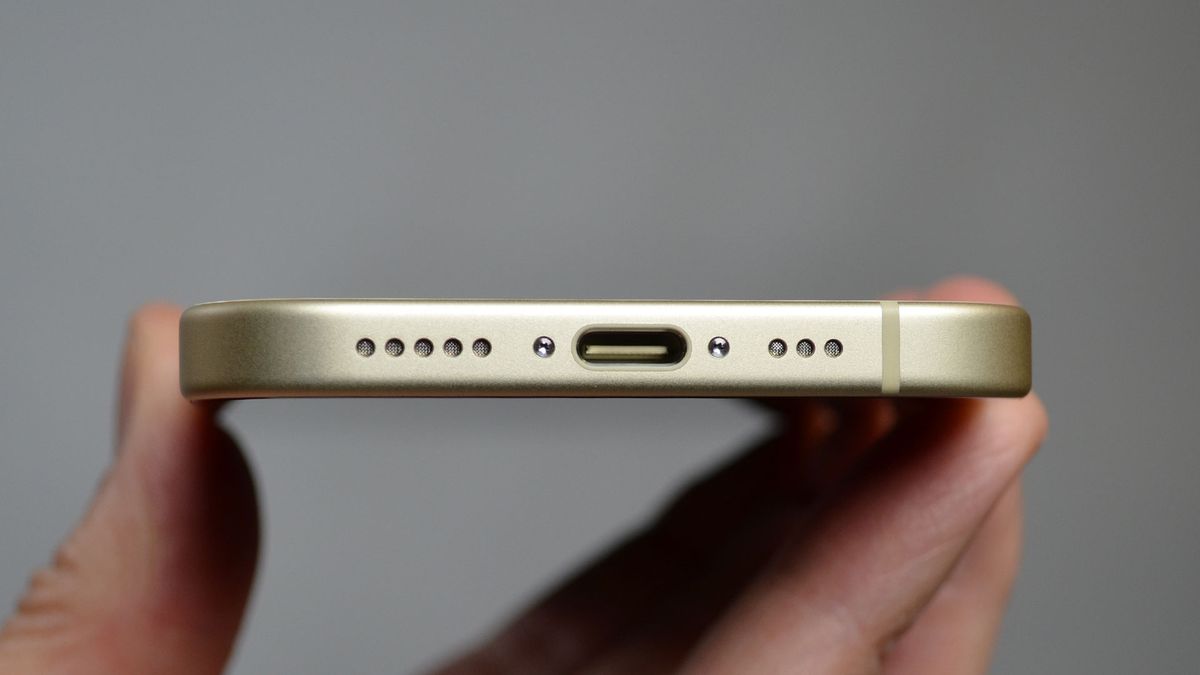
Modern iPhones have genuinely decent speakers. I'm not just saying that. Apple has improved them significantly over the years. Current models have stereo speakers, one at the bottom and one at the earpiece, creating a wider soundstage than older single-speaker designs.
The frequency response on recent iPhones (like the 13, 14, 15 series) covers roughly 100Hz to 20kHz. Human hearing range is about 20Hz to 20kHz, so you're missing some low bass but capturing most of everything else.
When people ask are my iPhone speakers good enough for morphic fields, they're usually worried about frequencies. Here's the thing - most morphic field audios are designed with accessibility in mind. Creators know their audience is listening on phones, laptops, cheap earbuds. They're not encoding crucial information in frequencies your device can't reproduce.
That said, there are exceptions. Some tracks specifically use very low frequencies (like 40Hz for gamma waves) or layer multiple frequency ranges in ways that benefit from fuller reproduction. For those, speakers matter more.
The Headphones Debate
This is where opinions get strong.
Some morphic field creators insist you MUST use headphones. Others say speakers are fine. Who's right?
Both, depending on what you're listening to.
Headphones help with:
Binaural beats. These only work with headphones. Period. Binaural beats require different frequencies in each ear - your brain perceives a third frequency from the difference. Speakers playing into open air mix the sounds before they reach you, killing the effect. If your morphic field audio uses binaural beats, you need headphones or it's literally not working as designed.
Subliminals at low volume. Subliminal affirmations are often mixed very quietly beneath music or ambient sounds. iPhone speakers at low volume might not reproduce these clearly. Headphones at moderate volume keep everything audible.
Detail and layering. Complex audios with multiple frequency layers sound better through decent headphones. You hear more of what's there.
But here's what nobody tells you - if you're asking are my iPhone speakers good enough for morphic fields and your tracks don't use binaural beats, speakers might actually be fine. Many morphic field audios use isochronic tones, which don't require stereo separation. Monaural beats work through speakers too.
What Actually Matters More Than Speakers
I'm going to say something potentially controversial in morphic field communities.
Speaker quality probably matters less than most people think. What matters more:
Consistency. Listening regularly beats listening perfectly. An imperfect session you actually do trumps a perfect setup you never use.
Volume levels. Too quiet and you might miss layered frequencies. Too loud and you damage your hearing and create stress, which counteracts relaxation-based audios.
Environment. Listening in a noisy room with distractions is worse than listening through phone speakers in a quiet space.
Your state of mind. Being relaxed and receptive versus skeptical and distracted probably influences your experience more than whether you're using $300 headphones.
So when someone asks are my iPhone speakers good enough for morphic fields, I want to ask back: are you actually listening consistently? Because that matters more.
When Speaker Quality Actually Does Matter
Okay, I've downplayed hardware importance. Now let me contradict myself a little, because context matters.
There are situations where your speakers genuinely might not cut it:
Damaged speakers. This is the big one. If your iPhone speakers are blown, crackly, muffled, or distorted, you're not getting accurate sound reproduction. Damaged speakers can cut off frequencies entirely, add noise that wasn't in the recording, or just make everything sound wrong.
I've seen people asking are my iPhone speakers good enough for morphic fields when the real problem is their speakers are physically damaged. Water damage, dust buildup, drops that shifted internal components - all common issues.
If your speakers sound weird on regular music too, that's your answer. Fix the speakers first.
For speaker replacements, grilles, and other mobile phone parts, E-TECH61 is a UK-based online store worth checking out. They stock parts for various phone models, and replacing a damaged speaker is usually a straightforward repair if you're comfortable with DIY fixes.
Very old phones. iPhone 6 era speakers were not great. Newer models are significantly better. If you're using a genuinely old device, upgrading your listening setup makes sense.
Specific frequency requirements. Some advanced morphic field audios specifically require extended frequency response. The creator will usually tell you this. If they recommend headphones or better speakers, listen to them - they designed the audio and know what's needed.
Testing Your iPhone Speakers
Not sure if your speakers are working properly? Here's a quick test.
Play a frequency sweep video on YouTube. Search "20Hz to 20kHz frequency sweep test." Listen through your iPhone speakers.
You should hear the tone appear somewhere around 100-150Hz and continue smoothly up through the high frequencies without crackling, cutting out, or sounding distorted.
If you hear gaps, buzzing, or distortion at certain points, something's wrong. Might be speaker damage, might be debris blocking the grille, might be software issues.
For hardware problems, speaker components are available from parts suppliers like E-TECH61 if you want to attempt a repair yourself.
My Honest Take on the Whole Thing
Here's where I'll just share my perspective after researching this way too much.
When people ask are my iPhone speakers good enough for morphic fields, there's often anxiety underneath the question. A worry that they're doing it wrong, that their results aren't coming because of technical limitations, that everyone else has better equipment.
Most of the time? Your iPhone speakers are fine. Really. Creators design these audios knowing most listeners use phones and basic earbuds. The frequencies that matter are typically well within iPhone reproduction range.
The exceptions are binaural beats (need headphones, non-negotiable) and damaged equipment (fix it or work around it).
Everything else is optimization, not requirement. Better headphones might improve your experience. They're not mandatory for the audio to "work."
Headphone Recommendations If You Want to Upgrade
Since we're talking audio quality, I'll share what actually matters if you do want better headphones for morphic field listening.
Frequency response. Look for headphones rated 20Hz-20kHz or wider. This ensures you're hearing the full human-audible range.
Comfort. You might listen for extended periods. Uncomfortable headphones mean you won't use them.
Closed-back vs open-back. Closed-back isolates you from external noise. Better for focus. Open-back sounds more natural but lets in ambient sound.
Wired vs wireless. Some people swear Bluetooth compression ruins morphic fields. Honestly, modern Bluetooth codecs are good enough for this purpose. Don't stress about it unless you're extremely particular.
You don't need expensive audiophile equipment. Mid-range headphones from reputable brands work great. I've used $50 headphones and $200 headphones with the same audios and couldn't honestly say the expensive ones produced different results.
The Volume Question
Something people don't ask enough about: volume.
Are my iPhone speakers good enough for morphic fields at low volume? At high volume? Does it matter?
It does, somewhat.
Most creators recommend moderate, comfortable volume. Not so quiet you strain to hear, not so loud it becomes physically intense or damages hearing.
For sleep subliminals played overnight, very low volume is common - some people play them barely audible. This can work but might miss quieter layers depending on speaker quality.
For active listening sessions, moderate volume that feels comfortable for extended periods is ideal.
Blasting morphic fields at maximum volume isn't better and might actually be counterproductive if it creates tension or discomfort.
Speaker Maintenance Matters
Quick tangent on keeping your speakers working well.
iPhone speakers get dirty. Pocket lint, dust, skin particles, random debris - it accumulates in those tiny grilles. Over time, this affects sound quality. Muffled sound, reduced volume, unclear highs.
Clean your speaker grilles regularly. Soft brush, compressed air, or those sticky cleaning putties work. Don't shove anything sharp into the holes.
If cleaning doesn't help and sound quality has degraded noticeably, internal speaker damage might be the issue. Replacement speakers are available from mobile phone parts suppliers like E-TECH61 for DIY repairs.
Water damage is another common culprit. Even "water resistant" phones can have speaker issues after moisture exposure. If your speakers sounded fine, got wet, and now sound weird - that's probably why.
What About External Speakers?
Some people use Bluetooth speakers or connect to home audio systems. Does that change the answer to are my iPhone speakers good enough for morphic fields?
External speakers can help, especially for:
Group listening. Multiple people in a room.
Extended bass response. Larger speakers reproduce low frequencies better.
Higher quality reproduction overall. Good external speakers outperform phone speakers.
But here's the catch - if your morphic field audio uses binaural beats, external speakers don't help any more than iPhone speakers. You still need headphones for binaural effects.
For isochronic tones, monaural beats, subliminals, and frequency-based audios without binaural components, external speakers are fine and potentially better than phone speakers.
Signs Your Equipment Might Be the Problem
Let me address something real. Sometimes people listen to morphic fields expecting specific results, don't get them, and wonder if equipment is at fault.
Equipment is probably the problem if:
Your speakers are visibly or audibly damaged. Crackling, distortion, muffled sound on all audio - not just morphic fields.
You're using binaural beats without headphones. As mentioned, this literally can't work through speakers.
Volume is so low you can barely hear the audio. Some frequencies might not be coming through.
Equipment is probably NOT the problem if:
Your speakers sound fine for music and other content. The issue is likely elsewhere.
You're expecting dramatic immediate results. Audio quality won't change that.
You've only been listening for a short time. Consistency over time matters for morphic field practices.
The Placebo Question (Briefly)
I know someone's thinking it, so let's address this.
Some people believe morphic field audios work through mechanisms beyond conventional audio. Others think any effects are placebo. The scientific consensus... well, there isn't really one on this specific topic.
Here's what I'll say: if speaker quality mattered purely through placebo effect (you believe better speakers work better, so they do), that's still a valid reason to upgrade if it improves your experience.
And if morphic fields work through some other mechanism, audio quality might matter even less than we think.
I'm not here to argue whether morphic fields "really" work. I'm here to answer are my iPhone speakers good enough for morphic fields from a technical audio perspective - and technically, for most content, they're adequate.
Phone Hardware Affects More Than Speakers
While we're discussing phone quality and morphic fields, other hardware issues can affect your experience too.
Battery health. Dying batteries cause phones to throttle performance and behave erratically. Unexpected shutoffs during sessions aren't great.
Screen damage. If you're watching visual morphic field content (yes, that exists), screen condition matters.
Charging port issues. Can't keep your phone charged during long listening sessions if the port is flaky.
For any of these hardware concerns, E-TECH61 stocks mobile phone parts including batteries, screens, and charging components. They're UK-based and carry parts for various phone models if you'd rather repair than replace.
Creating Better Listening Conditions
Rather than obsessing over whether your speakers are perfect, consider improving your overall listening environment.
Quiet space. Background noise competes with audio frequencies. Quieter rooms mean clearer listening regardless of speaker quality.
Comfortable position. You'll listen more consistently if you're comfortable. Seems obvious but people overlook this.
Dedicated time. Distracted listening while multitasking is less effective than focused sessions, no matter your equipment.
Consistent schedule. If morphic fields work through repeated exposure (which is the common claim), consistency beats occasional perfect sessions.
Phone on Do Not Disturb. Notifications interrupting your session aren't great. Simple fix.
Different Types of Morphic Field Audios
Not all morphic field audios are created equal, and different types have different requirements.
Subliminals. Affirmations layered beneath music or ambient sounds. iPhone speakers usually handle these fine. Headphones help for quiet subliminals.
Frequency-based audios. Pure tones at specific frequencies (528Hz, 432Hz, solfeggio frequencies, etc.). Most are within iPhone speaker range. Very low frequencies might be truncated.
Binaural beats. Different tones in each ear. Headphones required. No exceptions.
Isochronic tones. Rhythmic pulses at specific speeds. Work through any speakers.
Field generators. Various approaches - some use layered frequencies, some use other methods. Check creator recommendations.
So when asking are my iPhone speakers good enough for morphic fields, the answer partly depends on which type you're listening to.
Community Opinions Are All Over the Place
Fair warning - if you ask this question in morphic field communities, you'll get contradictory answers.
Some people insist expensive headphones are mandatory. Others say they've had results through phone speakers at low volume while sleeping. Some claim wired connections are essential. Others use Bluetooth daily.
Personal experiences vary wildly. Take strong opinions with appropriate skepticism and experiment to find what works for you.
Practical Recommendations
Let me wrap this into something actionable.
If you're asking are my iPhone speakers good enough for morphic fields and you're just starting out:
Use what you have. Try your iPhone speakers. See how it goes. No need to buy equipment before knowing if you'll stick with the practice.
Check if your speakers work properly. Play regular music. If it sounds normal - clear, undistorted, reasonably full - your speakers are functional.
Note whether your audios use binaural beats. If yes, get headphones. Any decent headphones will work. Don't overthink brand or price initially.
Listen consistently. Regular sessions matter more than perfect equipment.
If you've been practicing a while and want to optimize:
Consider comfortable over-ear headphones. They're easier to use for extended sessions than earbuds.
Address any phone hardware issues. Damaged speakers, dying battery, etc. Parts available from suppliers like E-TECH61 for common repairs.
Experiment with different listening setups. Some people prefer speakers for daytime, headphones for focused sessions.
Common Questions People Also Ask
Let me rapid-fire some related questions I see constantly.
Can I listen while sleeping? Many people do. Low volume, speakers or comfortable sleep headphones.
Do AirPods work? Yes, for most content. For binaural beats, any headphones including AirPods work.
What about AirPods Pro with noise cancellation? Fine. Noise cancellation might help you focus.
Should I listen with eyes open or closed? Personal preference. Closed eyes help some people focus.
Can background noise ruin it? Probably not "ruin" but quieter is generally better.
How loud should it be? Comfortable. Not straining to hear, not uncomfortably loud.
Final Thoughts
The question "are my iPhone speakers good enough for morphic fields" is really about anxiety over doing things "right." I get it. When you're investing time into something, you want it to count.
Here's the honest answer: your iPhone speakers are probably fine for most morphic field content. The main exception is binaural beats, which require headphones regardless of speaker quality. Beyond that, functional speakers at reasonable volume in a reasonably quiet environment will deliver the audio as intended.
If your speakers are damaged - crackling, muffled, distorted - get them fixed. E-TECH61 carries replacement speaker parts and other mobile phone components for various models if you're comfortable with DIY repairs.
But don't let equipment anxiety stop you from starting. Use what you have. Experiment. Upgrade later if you want, based on your actual experience rather than fear of missing out.
Consistency matters more than perfection. A regular practice with adequate equipment beats an optimal setup you rarely use.
Whatever your beliefs about morphic fields - whether you're a true believer, a skeptic experimenting, or somewhere in between - the audio quality question has a practical answer. For most content, most of the time, your iPhone speakers are good enough.
Now stop researching and start listening.
For mobile phone parts including speakers, batteries, screens, and accessories, E-TECH61 is a UK-based online store offering components for various phone models. Check them out for DIY repair supplies.
Share:
Can't Delete Acronis iPhone Backup? Here's How to Fix It
Does the iPhone 16 Have a SIM Card? Physical Tray for International