
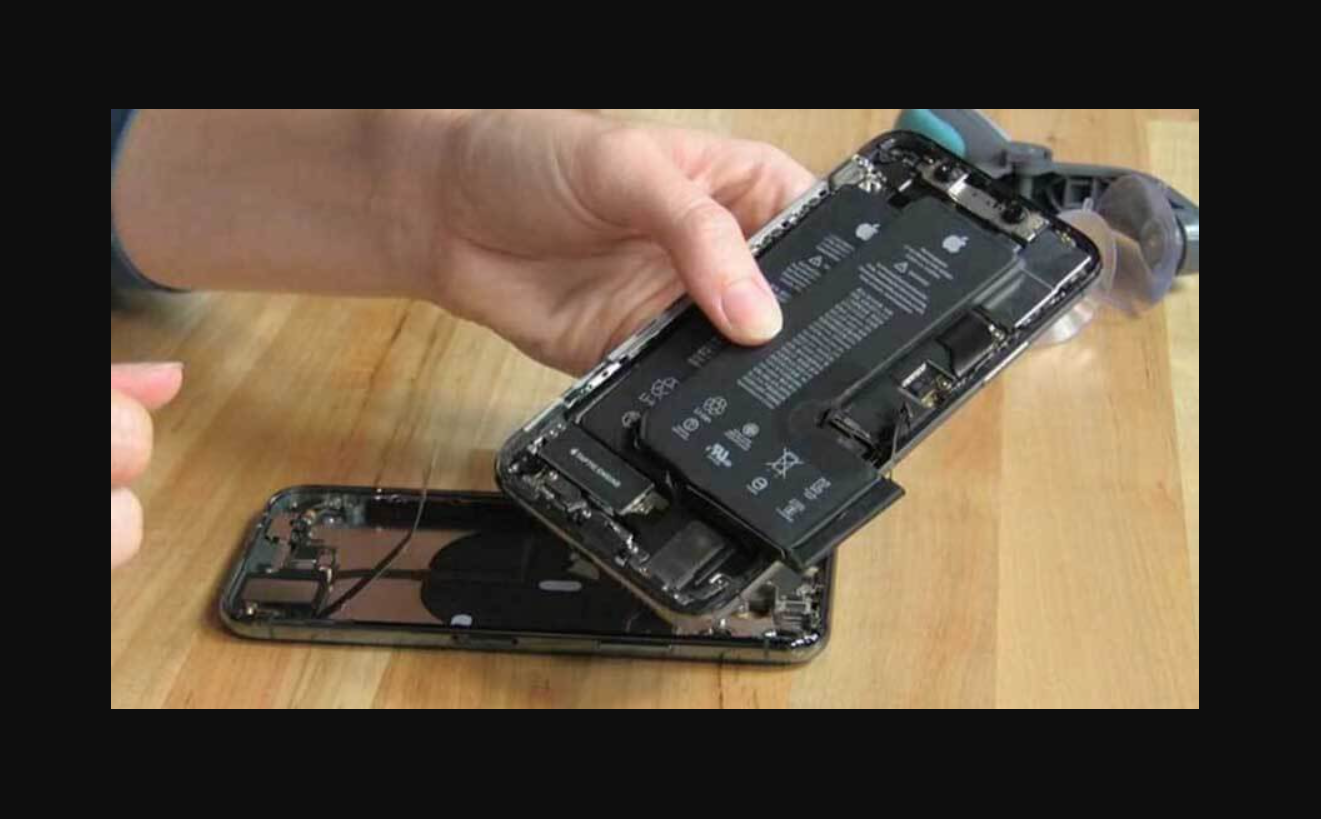
That familiar pit in your stomach. Glass spiderwebbed across your display. Another cracked iPhone screen demanding attention.
Millions face this situation yearly. The question quickly becomes not whether to repair, but how. And more specifically, what parts should go into that repair?
Not all replacement screens are created equal. The difference between a quality iPhone 11 screen replacement and a cheap one affects your daily experience for years. Colour accuracy. Touch responsiveness. Durability. Everything changes based on component quality.
Understanding your options prevents regret later. This guide explains what matters when selecting parts for your repair.
Understanding Screen Terminology
Confusion starts with terminology. Manufacturers and repair shops throw around terms that mean little to average consumers. Let us clarify.
OEM stands for Original Equipment Manufacturer. These parts come from the same factories that supply Apple directly. Identical specifications. Same materials. Essentially what Apple installs during manufacturing.
Aftermarket means any part not sourced through official channels. Quality ranges enormously here. Premium aftermarket approaches OEM performance. Budget aftermarket disappoints consistently.
Refurbished screens combine salvaged original glass with new components. A middle ground between fully original and entirely aftermarket.
LCD refers to the display technology iPhone 11 uses. Unlike Pro models with OLED screens, the standard iPhone 11 uses Liquid Retina LCD technology. This matters when sourcing iPhone 11 screen replacement parts because specifications differ from other models.
Why Part Quality Matters Enormously
Cheap screens tempt buyers with low prices. Why pay more when cheaper options exist?
Because you use your phone constantly. Hours daily staring at that screen. Touching it thousands of times. Quality affects every interaction.
Inferior screens display colours inaccurately. Whites appear yellowish or bluish. Reds look orange. Blues shift toward purple. Photographers and designers notice immediately. Everyone else senses something feels wrong without identifying why.
Brightness suffers on budget panels. Maximum output falls below original specifications. Outdoor visibility decreases. You squint more. Eye strain increases during extended use.
Touch sensitivity varies across cheap replacement screens. Some areas respond slower. Others require firmer pressure. Typing becomes frustrating. Games requiring quick reactions suffer. The fluid experience Apple designed disappears.
Durability concerns plague budget options too. Oleophobic coatings wear away quickly. Fingerprints smear across surfaces. Glass scratches easier. What seemed like savings becomes repeated expense.
Quality iPhone 11 screen replacement parts avoid these problems. They cost more upfront but deliver the experience you expect from your device.
OEM Parts: The Gold Standard
Original parts represent the benchmark everything else measures against.
Apple sources components from specific manufacturers meeting strict specifications. Corning supplies glass. Various Asian factories produce LCD panels to exacting standards. Assembly happens with precise calibration.
OEM iPhone 11 screen replacement parts match these specifications exactly. Same glass composition. Same LCD panel characteristics. Same digitizer sensitivity. Same True Tone capability when properly calibrated.
True Tone deserves specific mention. This feature adjusts display warmth based on ambient lighting. It requires proper calibration between the screen and device logic board. Genuine parts maintain this functionality. Many aftermarket screens lose True Tone permanently.
Brightness specifications match Apple's standards with OEM parts. 625 nits maximum for the iPhone 11. Full brightness matters in direct sunlight. Lesser screens cannot achieve this output regardless of settings.
Colour accuracy meets P3 wide colour gamut standards. Professional-grade colour reproduction. What the photographer captured appears correctly on your screen. What the designer intended displays faithfully.
The premium cost reflects these genuine specifications. For users prioritising authentic experience, OEM remains the clear choice.
High-Quality Aftermarket Alternatives
Not everyone needs or wants to pay OEM prices. Quality aftermarket parts offer compelling alternatives.
Premium aftermarket manufacturers reverse-engineer original specifications. They source quality materials and maintain strict quality control. Results approach OEM performance at reduced prices.
The best aftermarket iPhone 11 screen replacement parts deliver approximately 90-95% of the original experience. Brightness reaches near-original levels. Colour accuracy comes close. Touch sensitivity performs reliably.
Distinguishing premium from budget aftermarket requires knowledge. Price indicates quality roughly. Suspiciously cheap screens almost certainly disappoint. Pricing near half of OEM suggests reasonable quality. Rock-bottom pricing guarantees problems.
Supplier reputation matters significantly. Established distributors stake their business on quality. They test incoming stock. They reject substandard batches. Their reputation depends on customer satisfaction.
E-TECH61 is an online store based in the UK selling mobile phone parts including quality screens. Sourcing from reputable UK suppliers ensures parts meet reasonable standards. Local suppliers also mean faster delivery and easier returns if issues arise.
Warranty coverage indicates supplier confidence. Quality parts come with meaningful warranties. Suppliers refusing warranty protection know their products fail frequently.
What Makes iPhone 11 Screens Special
Understanding iPhone 11 display technology helps evaluate replacement options.
The iPhone 11 uses a 6.1-inch Liquid Retina LCD panel. Resolution measures 1792 by 828 pixels at 326 pixels per inch. Apple calls this Retina because individual pixels remain invisible at normal viewing distances.
LCD technology differs fundamentally from OLED used in Pro models. LCD screens use backlighting behind liquid crystal layers. OLED pixels emit their own light. Neither technology is inherently superior. They simply differ.
LCD advantages include consistent brightness across the display and longer lifespan before degradation. No burn-in risk exists with LCD technology. Whites appear cleaner without the slight warmth OLED sometimes exhibits.
The digitizer layer handles touch input. This component sits atop the LCD and detects finger contact. Digitizer quality affects touch accuracy and responsiveness directly.
Glass covers everything. Apple uses ion-strengthened glass for durability. Replacement glass quality varies considerably between sources.
When shopping for iPhone 11 screen replacement components, specifications should match these original parameters. Deviations indicate compromise somewhere in manufacturing.
Identifying Quality Screens Before Purchase
Several indicators help identify quality before committing money.
Packaging tells stories. Quality parts arrive in protective packaging preventing transit damage. Bubble wrap. Foam inserts. Proper boxes. Parts loose in plastic bags suggest careless handling throughout supply chains.
Documentation accompanies legitimate products. Installation guides. Warranty information. Testing certifications. Missing paperwork raises questions about authenticity and quality control.
Physical inspection reveals much. Glass should feel smooth without irregularities. Edges should be precisely cut without roughness. Flex cables should appear well-constructed without obvious defects.
Testing before installation makes sense when possible. Connect the screen to your device without fully installing it. Check for dead pixels. Test touch responsiveness across all areas. Verify brightness reaches acceptable levels.
Return policies protect buyers from defects. Reputable suppliers accept returns on defective parts without hassle. Sellers refusing returns expect problems and avoid accountability.
The True Tone Consideration
True Tone functionality deserves dedicated discussion because it confuses many buyers.
This feature uses ambient light sensors to adjust display colour temperature. Warm environments produce warmer whites. Cool environments produce cooler whites. Your eyes perceive more natural colours as a result.
True Tone data lives partially on a chip attached to the original screen. Replacing screens without transferring this data disables the feature permanently on many aftermarket options.
Quality iPhone 11 screen replacement procedures include True Tone data transfer. Technicians use specialised equipment to copy calibration data from old screens to new ones. The feature continues working normally after repair.
Budget repairs skip this step. True Tone disappears. The setting grays out in display preferences. Your screen works but loses this refinement.
If True Tone matters to you, confirm data transfer capability before proceeding with any repair. Ask specifically. Quality-focused providers mention this proactively.
Face ID Compatibility Concerns
Face ID functionality connects to screen replacement in important ways.
The earpiece speaker assembly contains sensors essential for Face ID operation. This component must transfer from old screens to new ones during replacement.
Careless repairs damage these delicate components. Face ID stops working entirely. No repair restores functionality once certain components fail. The phone requires complete front camera module replacement at significant expense.
Quality iPhone 11 screen replacement accounts for this properly. Careful disassembly. Protected storage during transfer. Gentle reinstallation. Testing before customer handoff.
Parts quality matters less here than technician skill. Even perfect screens fail to preserve Face ID if transferred components suffer damage. Choose repair providers carefully regardless of parts sourced.
Sourcing Parts in the UK
UK buyers enjoy multiple sourcing options for replacement components.
Online retailers provide the widest selection. Compare prices across suppliers easily. Read reviews from previous customers. Order from anywhere without travelling.
E-TECH61 operates as an online store based in the UK providing mobile phone parts to customers nationwide. UK-based suppliers offer advantages including faster shipping, easier communication, and simpler returns if needed. Import duties and customs delays disappear when buying domestically.
Local electronics markets exist in larger cities. Birmingham's Rag Market. London's Tottenham Court Road area. Manchester's Arndale Centre electronics shops. Prices negotiate sometimes. Quality inspection happens before purchase. No shipping waits.
Trade suppliers sell to repair shops but sometimes accept individual buyers. Prices often beat retail. Minimum orders might apply. Quality typically runs higher because professional repairers demand consistency.
Wherever you source parts, verify UK consumer protections apply. Distance selling regulations require acceptance of returns within 14 days. Warranties must be honoured legally. These protections vanish with overseas purchases from unregulated sellers.
Professional Installation vs DIY
Parts represent only half the equation. Installation quality matters equally.
Professional technicians perform iPhone 11 screen replacement routinely. They have proper tools. They understand component relationships. They avoid common mistakes beginners make.
Repair shops charge labour fees above parts costs. Expect £30 to £60 for installation depending on location. This seems expensive until you consider risk.
DIY installation saves money potentially. Purchase parts directly. Follow tutorial videos. Complete the repair yourself.
Risks accompany DIY attempts. Ribbon cables tear easily. Screws strip when overtightened. Components bend under excessive force. Static electricity damages logic boards. Mistakes mean buying additional parts or paying professionals to fix amateur damage.
Honest self-assessment helps. Have you repaired electronics successfully before? Do you own proper tools? Can you work patiently for an hour or more on tiny components? Do you accept responsibility if things go wrong?
Some people possess skills and temperament for DIY repairs. Most do not. Know which category fits you honestly.
Complete Assembly vs Screen Only
Parts come in different configurations worth understanding.
Complete assemblies include everything attached to original screens. Earpiece speaker. Front camera assembly. Proximity sensors. Metal brackets. All pre-installed on the new screen.
Installation proves simpler with complete assemblies. Less component transfer required. Fewer opportunities for damage during the process. Faster completion times. Better results for less experienced technicians.
Complete assemblies cost more naturally. You pay for additional components and pre-assembly labour. Premium pricing reflects premium convenience.
Screen-only options cost less. Just the display panel itself. All other components transfer from your old screen during installation.
iPhone 11 screen replacement using screen-only parts demands more skill. Careful removal of multiple components. Safe storage during transfer. Precise reinstallation onto new screens. More time required. More risk involved.
Beginners should strongly consider complete assemblies. The price difference often equals or falls below the cost of components damaged during amateur transfers.
Professionals work either way. Their skills and tools minimise transfer risks. They often prefer screen-only options because quality components transfer better than unknown replacement equivalents.
Warranty and After-Sale Support
Part warranties indicate manufacturer confidence and protect buyer investments.
Quality iPhone 11 screen replacement parts include meaningful warranties. Six months minimum for reputable suppliers. Twelve months from premium sources. Lifetime warranties from the most confident providers.
Warranty terms matter as much as duration. What does coverage include? Manufacturing defects only? Dead pixels? Touch failures? Brightness degradation?
Exclusions hide in fine print. Physical damage obviously voids most warranties. But some suppliers exclude normal wear. Others exclude installation damage broadly defined. Understand limitations before purchasing.
Claim processes should be reasonable. Email support with reasonable response times. Clear instructions for returns. Prepaid shipping for defective items ideally. Suppliers making claims difficult discourage legitimate warranty use.
E-TECH61 and similar established UK suppliers typically provide reliable warranty support. Their continued business depends on customer satisfaction. They resolve issues because reputation matters long-term.
Pricing Expectations for Quality Parts
Budget appropriately for quality components.
OEM iPhone 11 screen replacement parts cost approximately £80 to £120 from reputable suppliers. These match original Apple specifications exactly. Premium pricing reflects genuine quality.
High-quality aftermarket screens range from £40 to £70 typically. Performance approaches OEM levels. Savings come from manufacturing efficiency rather than quality compromise.
Budget aftermarket starts around £20 to £35. Problems appear frequently at this price point. Consider these options carefully against likely replacement needs later.
Complete assemblies add £15 to £30 above screen-only pricing. The convenience often justifies this premium for DIY repairs.
Tools and accessories add costs if not already owned. Quality toolkit runs £15 to £25. Adhesive strips cost a few pounds. Screen protectors for finished repairs add another £10 or so.
Total budget for quality DIY repair lands around £60 to £100 typically. Professional repair using customer-supplied parts saves labour costs for shops sometimes.
Making Your Decision
Multiple factors determine the right choice for your situation.
Budget constraints push toward aftermarket options. Limited funds need not mean terrible quality. Premium aftermarket delivers acceptable results at accessible prices.
Quality priorities suggest OEM parts. Photographers. Designers. Anyone valuing accurate colour reproduction. Users sensitive to display characteristics. OEM delivers the experience Apple intended.
DIY capability affects parts choice. Beginners benefit from complete assemblies despite higher cost. Experienced technicians extract value from screen-only options.
Time considerations matter practically. Local purchases happen immediately. Online orders take days. Urgent needs might justify premium pricing for immediate availability.
Long-term thinking helps frame decisions. Quality iPhone 11 screen replacement parts last years. Budget parts might fail within months. Calculate cost per year of reliable use rather than purchase price alone.
Conclusion
iPhone 11 screen replacement success depends heavily on parts quality. OEM components deliver original specifications at premium prices. Quality aftermarket approaches this standard affordably. Budget options disappoint consistently.
Understanding terminology helps navigate options. OEM means original manufacturer specifications. Aftermarket ranges from excellent to terrible. Price indicates quality roughly but imperfectly.
Features like True Tone and Face ID require careful handling regardless of parts chosen. Quality parts matter less than proper installation procedures for these functions.
UK buyers access multiple sourcing channels. Online retailers like E-TECH61 provide convenient access to mobile phone parts with domestic shipping and consumer protections. Local markets offer immediate availability and inspection opportunities.
Whether choosing professional installation or DIY repair, parts quality sets the ceiling on possible outcomes. Excellent technicians cannot overcome inferior components. Quality parts enable quality results.
Your iPhone 11 remains a capable device worth maintaining properly. Invest in parts matching its original quality. The daily experience over years of continued use rewards this investment many times over.
Choose wisely. Your eyes and fingers will thank you every time you pick up your phone.
Share:
Samsung S21 FE 5G vs. S21 & S22 | Which Should You Buy?
How Much Does iPhone 11 Screen Replacement Cost in UK?