
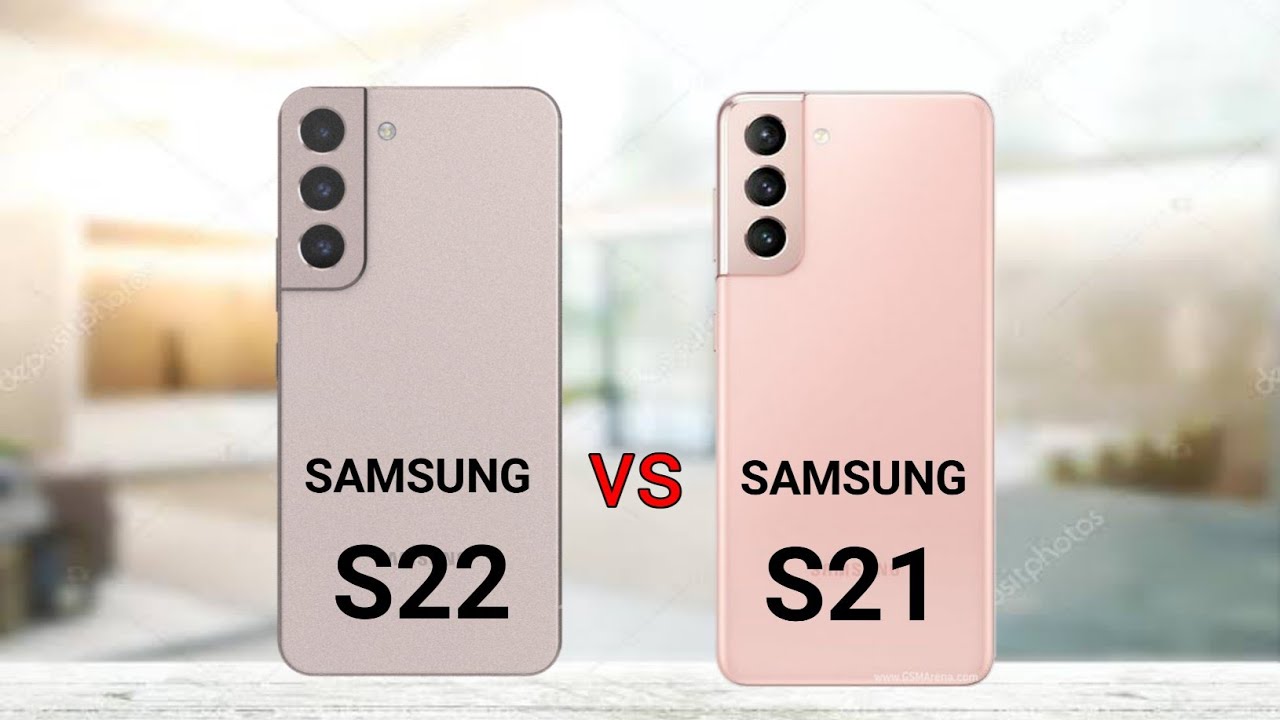
Three phones. Similar names. Overlapping price points. Confusing marketing from Samsung that leaves buyers scratching their heads trying to figure out which one actually makes sense for them.
I get it. I've spent months using all three of these devices and even I had to sit down and really think through who should buy what. The Samsung Galaxy S21 5G, the S21 FE 5G, and the S22 all compete in roughly the same space now that prices have shifted. Picking between them isn't straightforward.
Here's my honest breakdown after actually living with these phones – not just reading spec sheets in some corporate comparison lab.
Why This Comparison Even Matters
Samsung released the Galaxy S21 FE 5G almost a year after the Samsung Galaxy S21 5G launched. Then the S22 arrived shortly after. This bizarre timing created a situation where three generations of Samsung flagships now sit at similar price points in the used and discounted market.
Someone shopping today with a $400-600 budget faces a genuine dilemma. Older flagship with premium build? Newer "Fan Edition" with compromises? Or stretch for the latest generation?
Each phone makes sense for different people. None is universally "best." Let me explain why.
Build Quality and Design Differences
Pick up the Samsung Galaxy S21 5G and you immediately feel flagship. The Contour Cut camera housing flows into the aluminum frame seamlessly. It looks intentional, premium, expensive. Samsung nailed the industrial design here.
The S21 FE 5G tells a different story. Samsung swapped aluminum for plastic. Same basic shape but noticeably lighter and less substantial in hand. Some people actually prefer this – less slippery, more comfortable for long use, doesn't show fingerprints as badly. But it undeniably feels cheaper.
Then there's the S22. Samsung returned to glass backs and refined everything further. Slightly smaller footprint, flatter sides, more squared-off aesthetic following iPhone trends. Premium feel restored and arguably improved over the Samsung Galaxy S21 5G design.
Weight matters too. The FE is lightest despite having a larger screen. The Samsung Galaxy S21 5G sits in the middle. The S22 feels densest relative to its compact size. Personal preference determines what's "better" here.
Durability-wise, plastic backs don't shatter. Glass does. The FE might actually survive drops better than its pricier siblings despite feeling less premium. Something worth considering if you're historically rough on phones.
Display Comparison – Size vs. Quality
Screen size differs noticeably between these three.
The S21 FE 5G gives you 6.4 inches of display real estate. Largest of the bunch. Great for media consumption, gaming, reading. Some people just prefer bigger screens and that's valid.
The Samsung Galaxy S21 5G shrinks to 6.2 inches. Still plenty big for most tasks. Easier to handle one-handed for smaller hands. The reduced bezels make it feel more compact than the diagonal measurement suggests.
The S22 drops further to 6.1 inches. Samsung's "compact flagship" positioning. People tired of enormous phones appreciate this. Others feel cramped after using larger devices. Try before buying if possible.
Panel quality is where things get interesting. All three use Dynamic AMOLED 2X panels with 120Hz refresh rates. Smooth scrolling, vibrant colors, deep blacks across the board.
But peak brightness differs. The S22 gets significantly brighter outdoors – 1300 nits versus around 1200 on the others. Sounds minor until you're squinting at your phone in direct sunlight trying to read a map. That extra brightness helps noticeably.
Resolution stays consistent at FHD+ across all three. Samsung reserved the QHD+ panels for Ultra models. For normal viewing distances on screens this size, I honestly can't tell the difference anyway.
The Samsung Galaxy S21 5G and S21 FE share nearly identical display technology. The S22 pulls ahead slightly with improved brightness and better outdoor visibility. Whether that matters depends entirely on how much time you spend using your phone outside.
Performance and Processing Power
Here's where generational differences become measurable.
The Samsung Galaxy S21 5G runs on Snapdragon 888 (or Exynos 2100 depending on region). Flagship chip from its era. Still handles everything modern apps throw at it without breaking a sweat. Gaming, multitasking, photo processing – all smooth.
The S21 FE 5G uses the same Snapdragon 888. Identical performance to the standard S21 in benchmarks. Samsung didn't downgrade internals for the Fan Edition which deserves credit. You're getting true flagship processing power despite the plastic build.
The S22 jumps to Snapdragon 8 Gen 1 (or Exynos 2200). Newer, more efficient architecture. Roughly 10-15% better raw performance in benchmarks. More importantly – better thermal management and efficiency improvements.
Daily usage differences? Honestly minimal. The Snapdragon 888 in the Samsung Galaxy S21 5G still flies through normal tasks. You won't notice the S22's speed advantage scrolling social media or texting.
Heavy gaming tells different story. Extended Genshin Impact sessions push chips hard. The S22 sustains performance better over time. The 888 chips in the S21 and FE throttle more aggressively to manage heat. Matters for serious mobile gamers, irrelevant for everyone else.
RAM configurations add another variable. The Samsung Galaxy S21 5G comes in 8GB configurations. The FE matches at 8GB or stretches to 6GB for budget variants in some markets. The S22 sticks with 8GB.
Storage tiers vary by region and carrier but none offer expandable storage. Whatever internal capacity you buy is what you're stuck with. Choose wisely.
Camera Systems Compared
Camera differences exist but they're more subtle than spec sheets suggest.
The Samsung Galaxy S21 5G packs a 12MP main sensor, 64MP telephoto, and 12MP ultrawide. Solid all-around setup that produces consistently good photos. I covered this extensively in my previous camera deep-dive.
The S21 FE 5G makes one notable change – swaps the 64MP telephoto for a 8MP 3x optical zoom lens. True optical zoom versus the hybrid approach on the standard S21. Results differ situationally. The FE produces cleaner zoom shots at exactly 3x. The Samsung Galaxy S21 5G offers more flexibility with its high-resolution crop approach.
Main camera and ultrawide stay identical between the S21 and FE. Same sensors, same processing. Photo quality matches closely in most conditions.
The S22 upgrades to a 50MP main sensor with larger pixels and improved low-light performance. Noticeably better night photography. Better detail retention when cropping. The jump from 12MP to 50MP sounds dramatic but Samsung bins pixels down to 12.5MP output anyway. Still, the larger sensor makes genuine differences.
Video recording favors newer models slightly. All three shoot 8K and 4K60. The S22's improved processing creates marginally better stabilization and dynamic range in challenging conditions.
Portrait mode edge detection improved on the S22. The Samsung Galaxy S21 5G and FE sometimes struggle with complex backgrounds or flyaway hair. The S22 handles these scenarios cleaner.
For casual photographers, any of these cameras satisfy. For people who really care about mobile photography quality, the S22's improvements justify the premium. The Samsung Galaxy S21 5G and FE perform nearly identically with minor zoom handling differences.
Battery Life Reality Check
Battery capacity numbers don't tell the whole story but here they are anyway.
The S21 FE 5G packs 4500mAh. Largest battery of the three. Combined with its efficient 6.4-inch panel, delivers the longest screen-on time in my testing. Heavy users will appreciate the endurance.
The Samsung Galaxy S21 5G drops to 4000mAh. Adequate for most days but heavy users might reach for chargers by evening. Moderate usage gets through full days comfortably.
The S22 shrinks further to 3700mAh. Smallest battery, smallest phone. Samsung bet that efficiency improvements would compensate. Results are mixed. Light users manage fine. Heavy users feel the squeeze compared to larger-battery alternatives.
Charging speeds stay consistent across all three. 25W wired, 15W wireless. Not industry-leading anymore but reasonable. Zero to full takes roughly 70 minutes wired for each phone.
If battery life ranks high on your priorities, the S21 FE wins this category handily. The Samsung Galaxy S21 5G offers middle-ground battery with middle-ground size. The S22 asks you to accept smaller battery as trade-off for compact dimensions.
Software Support Timeline
This factor matters increasingly as phones become long-term investments.
Samsung promised four years of OS updates for all three phones. But launch dates differ, so support end dates differ.
The Samsung Galaxy S21 5G launched January 2021. Four years of updates means Android support through early 2025 with security patches extending a year beyond. Getting long in the tooth now.
The S21 FE 5G arrived January 2022. Full year newer despite the similar name. Support extends through early 2026 accordingly.
The S22 launched February 2022. Similar timeline to the FE with updates through early 2026.
If you're planning to keep your phone for several years, the newer launch dates of the FE and S22 provide meaningful additional support runway. The Samsung Galaxy S21 5G approaches end-of-life sooner simply due to when it originally released.
Samsung's been solid about delivering promised updates. These phones will receive Android 14 and likely Android 15. Security patches arrive monthly for newer devices, quarterly for older ones approaching support cutoff.
Pricing and Value Proposition
Current market pricing shifts this comparison significantly from original MSRPs.
The Samsung Galaxy S21 5G sells heavily discounted or used at attractive prices now. Former $800 flagship available for $300-400 depending on condition and source. Tremendous value for capable hardware.
The S21 FE 5G positions slightly higher despite the plastic build. Newer software support and identical internal performance justify modest premium over the standard S21. Figure $350-450 typically.
The S22 commands highest prices as the newest option. Still available new from some retailers at discounts. Used market sits around $400-500. Premium for premium – whether that's worthwhile depends on your priorities.
Dollar-for-dollar, the Samsung Galaxy S21 5G represents exceptional value. You're getting 95% of the experience at potentially 50% of the price compared to S22 pricing. The FE offers best battery life and larger screen at reasonable prices. The S22 costs most but delivers genuinely improved cameras and longer support.
Who Should Buy What
Let me cut through the noise with direct recommendations.
Buy the Samsung Galaxy S21 5G if: You want maximum value. Premium build quality matters to you. You don't need the largest screen or longest battery life. You're comfortable with slightly shorter remaining software support. You found a great deal on one.
Buy the S21 FE 5G if: Battery life ranks as top priority. You prefer larger screens. Plastic back doesn't bother you (or you use cases anyway). You want newer software support without paying S22 prices. The lighter weight appeals to you.
Buy the S22 if: Camera quality matters most. You want the longest possible software support. Compact size appeals to you. Budget accommodates the premium. You use your phone outdoors frequently and need maximum brightness.
The Verdict From Someone Who's Used All Three
I keep returning to the Samsung Galaxy S21 5G personally. The build quality delights me every time I pick it up. Camera handles everything I throw at it. Performance remains snappy years later. The value proposition at current prices borders on ridiculous.
The S21 FE makes perfect sense for different priorities though. My partner prefers the larger screen and couldn't care less about aluminum frames. The battery lasts noticeably longer during travel days. Fair trade-offs.
The S22 earns recommendation for camera enthusiasts and people planning to keep phones until they die. Those incremental improvements add up over years of ownership. The compact size has genuine appeal in a world of enormous phones.
None of these choices disappoints. Samsung built three legitimately good phones that now compete at similar prices through market timing quirks. Pick based on which trade-offs align with your specific priorities.
The Samsung Galaxy S21 5G offers premium feel and great value. The FE delivers battery and screen size. The S22 provides best cameras and longest support. All three take good photos, run apps smoothly, and will serve owners well for years.
Trust your priorities. Ignore spec sheet obsession. Buy whichever phone matches how you actually use phones daily.
Share:
Samsung Galaxy S21 5G – Honest Take on Price, Specs & Real-World Use
iPhone 11 Screen Replacement | OEM & High-Quality Parts