
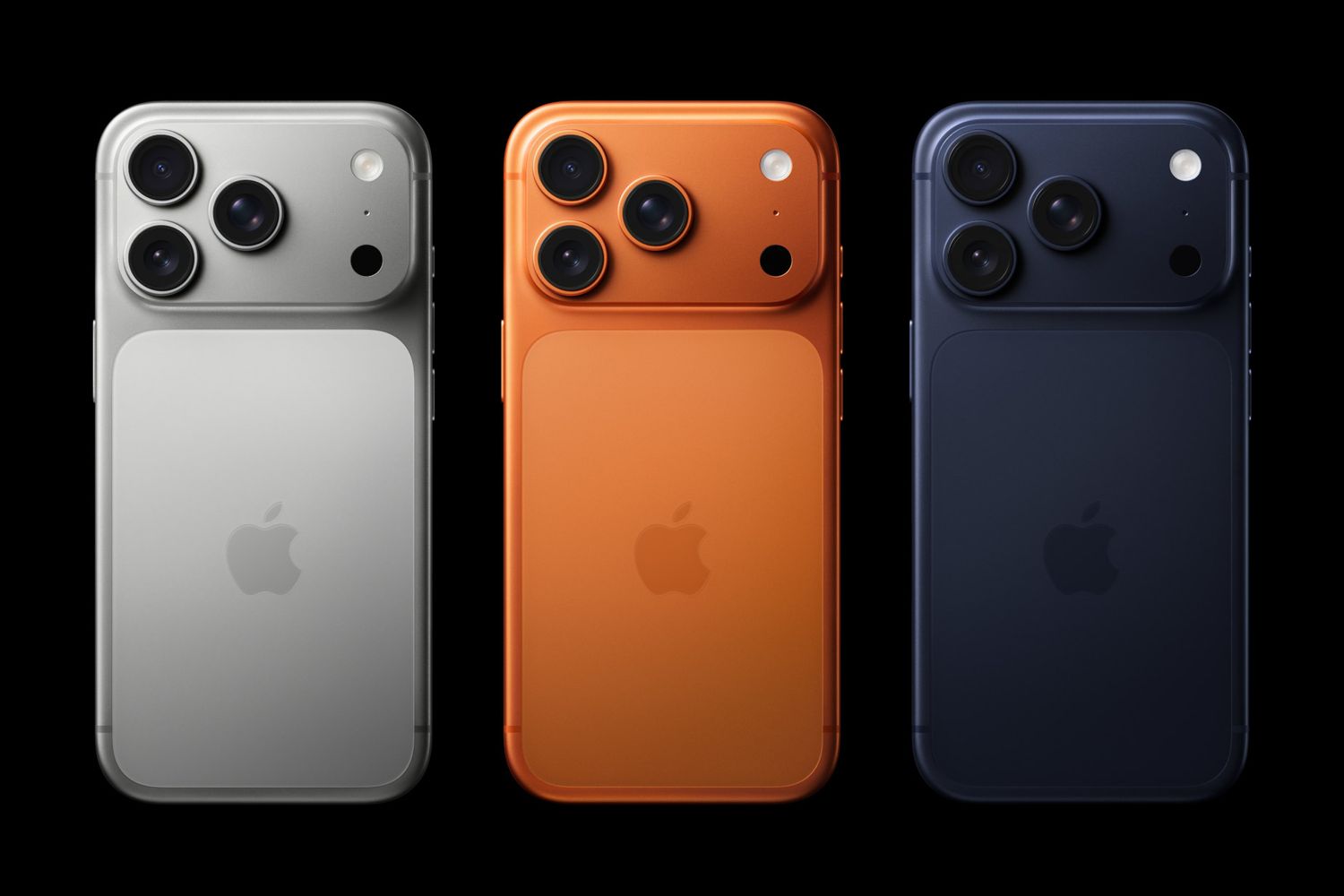
We examine the iPhone 17 concepts circulating throughout the technology community and assess their likelihood of materializing in Apple's upcoming flagship device. The distinction between imaginative concept designs and Apple's practical engineering approach reveals critical insights into what consumers can realistically expect. Concept renders often showcase radical departures from current iPhone aesthetics, while Apple's actual product development prioritizes manufacturing feasibility, supply chain capabilities, and proven user experience principles.
The iPhone 17 lineup represents Apple's continued evolution of smartphone technology scheduled for release in September 2025. We analyze leaked specifications, patent filings, supply chain reports, and historical Apple product development patterns to construct realistic expectations. This comprehensive examination separates aspirational concepts from probable implementations, providing clarity for consumers planning technology investments.
Display Technology Innovations: Concept Expectations vs. Engineering Reality
Concept designs frequently depict the iPhone 17 with completely bezel-free displays eliminating the Dynamic Island and incorporating under-display camera technology. These renders showcase edge-to-edge screens with no visible interruptions, representing the ultimate achievement in display integration. We assess the technical feasibility of such radical display transformations given current manufacturing capabilities and Apple's quality standards.
Apple's actual approach to iPhone 17 display technology likely involves incremental refinements rather than revolutionary changes. We anticipate reduced bezel dimensions and potential Dynamic Island size optimization through improved component miniaturization. The company's commitment to Face ID accuracy and TrueDepth camera performance constrains aggressive display integration that could compromise functionality.
Under-display camera technology remains challenging despite years of development by display manufacturers. We observe that current implementations suffer from reduced image quality, compromised light transmission, and visible display artifacts over camera areas. Apple's unwillingness to compromise photographic quality makes complete under-display camera adoption unlikely for iPhone 17, though exploratory development continues for future generations.
ProMotion display enhancements represent more realistic iPhone 17 improvements, potentially expanding adaptive refresh rate ranges and optimizing power consumption algorithms. We expect Apple to refine display efficiency, brightness capabilities, and color accuracy rather than pursuing dramatic form factor changes. The LTPO OLED technology employed in Pro models will likely receive incremental improvements supporting enhanced always-on display functionality.
Camera System Evolution: Ambitious Concepts Meet Optical Physics
Concept renderers imagine iPhone 17 camera systems with periscope zoom capabilities exceeding 10x optical magnification, revolutionary computational photography features, and radical new sensor configurations. These visions include massive camera modules, sophisticated multi-lens arrays, and advanced imaging capabilities matching professional camera equipment. We evaluate which camera innovations Apple can realistically implement within iPhone's constrained physical dimensions.
Periscope telephoto technology represents Apple's most likely significant camera advancement for iPhone 17 Pro models. We anticipate 5x to 6x optical zoom capabilities achieved through folded optics similar to Samsung's implementation but refined with Apple's computational photography expertise. The engineering challenges involve miniaturizing periscope mechanisms, managing heat dissipation, and maintaining optical image stabilization effectiveness.
Sensor size limitations constrain the dramatic image quality improvements some concepts suggest. We recognize that larger sensors require proportionally larger lens assemblies and greater camera protrusion, creating industrial design challenges Apple carefully balances. The iPhone 17 will likely feature moderately larger sensors with improved pixel binning technology rather than transformative sensor dimensions matching dedicated cameras.
Computational photography advances offer more promising pathways for iPhone 17 camera improvements. We expect enhanced machine learning models processing multi-frame captures, improved low-light performance through advanced noise reduction algorithms, and sophisticated subject detection capabilities. Apple's Neural Engine upgrades and image signal processor refinements enable software-driven photography improvements without dramatic hardware changes.
Video recording capabilities may extend to 8K resolution support at 30fps or 4K at 120fps, addressing professional content creator demands. We anticipate improved video stabilization, enhanced cinematic mode features, and expanded ProRes recording options. These video enhancements align with Apple's positioning of iPhone as professional content creation tools.
Processor Performance: A18 Bionic Chip Expectations and Reality
Concept predictions suggest the iPhone 17's A18 Bionic chip will deliver extraordinary performance gains approaching desktop processor capabilities. These projections include dramatic core count increases, revolutionary GPU architectures, and massive Neural Engine expansions. We assess realistic performance expectations based on semiconductor manufacturing progress and thermal management constraints.
TSMC's 3-nanometer process technology will likely power the A18 chip, offering improved power efficiency and modest performance gains over A17 Pro. We anticipate approximately 15-20 percent CPU performance improvement and 20-25 percent GPU enhancement, consistent with Apple's historical generation-over-generation advancement patterns. Revolutionary performance leaps remain unlikely given semiconductor physics limitations and thermal design constraints.
Neural Engine capabilities represent the most significant processing evolution in iPhone 17. We expect Apple to substantially expand machine learning processing power supporting on-device AI features, enhanced computational photography, and improved augmented reality experiences. The Neural Engine may receive architectural redesigns prioritizing specific AI workload types rather than simply increasing core counts.
Memory configurations will likely reach 8GB RAM in standard iPhone 17 models and potentially 12GB in Pro variants. We recognize that increased memory supports advanced multitasking, sophisticated camera processing pipelines, and future Apple Intelligence features. Storage options may extend to 2TB maximum capacity in top-tier Pro Max models, addressing professional users managing large video files.
Battery Life and Charging Technology: Bridging Concept and Capability
Concept designs frequently depict iPhone 17 with revolutionary battery technology enabling multi-day operation without charging. These visions include graphene batteries, solid-state technology, or dramatic capacity increases achieved through advanced chemistry. We evaluate realistic battery improvements Apple can implement given current technology maturity and safety requirements.
Battery capacity increases of 10-15 percent represent achievable goals for iPhone 17 through optimized internal component layouts and slightly increased device dimensions. We anticipate improved power management through more efficient processors and display technology rather than transformative battery chemistry changes. Solid-state batteries remain years away from mass production viability in consumer electronics.
Charging speed enhancements may reach 45W wired charging for Pro models, reducing full charge times to approximately 30 minutes. We expect MagSafe wireless charging improvements to 20-25W, addressing complaints about slow wireless charging speeds. Apple's implementation will prioritize battery longevity and thermal management over maximum charging speeds available in competing devices.
Reverse wireless charging represents a frequently requested feature that may finally appear in iPhone 17. We assess this capability as technically feasible, enabling iPhone to charge AirPods, Apple Watch, or other iPhones through wireless power sharing. Implementation requires careful power management to prevent excessive battery drain while supporting convenient accessory charging.
Design and Materials: Realistic Form Factor Evolution
Radical concept designs showcase iPhone 17 with foldable displays, rollable screens, or transparent panels creating futuristic aesthetics. These imaginative renders explore possibilities beyond conventional smartphone forms, suggesting Apple might pursue dramatic design reinvention. We analyze Apple's conservative design philosophy and manufacturing capabilities to assess realistic form factor expectations.
Titanium frame refinements continue in iPhone 17 Pro models with potential weight reductions and improved durability. We anticipate Apple optimizing titanium alloy formulations and manufacturing processes to reduce costs while maintaining premium aesthetics. Color options may expand including new titanium finishes created through advanced anodization or physical vapor deposition techniques.
Glass back panels will likely feature enhanced durability through improved Ceramic Shield formulations or entirely new glass compositions. We expect Apple to address scratch resistance concerns while maintaining wireless charging compatibility and premium tactile qualities. Textured glass finishes might provide improved grip and distinctive visual aesthetics differentiating Pro models.
Camera module integration remains a significant industrial design challenge as optical components grow larger. We anticipate Apple exploring flush camera designs or creative lens arrangements minimizing device wobble when placed on flat surfaces. Complete camera bump elimination remains unrealistic given optical physics requirements, though incremental improvements in integration seem probable.
Port configurations generate ongoing speculation with concepts depicting completely portless iPhones relying exclusively on wireless connectivity. We assess portless iPhone 17 as improbable given regulatory requirements in some markets, professional workflow needs, and consumer preference for wired charging options. The Lightning to USB-C transition completed with iPhone 15 will continue through iPhone 17 generation.
Connectivity Advances: 5G Evolution and Satellite Communication
Concept predictions suggest iPhone 17 will feature 6G connectivity despite commercial 6G networks remaining years from deployment. These speculative claims ignore telecommunications infrastructure realities and standards development timelines. We provide realistic connectivity expectations based on actual network deployment schedules and modem technology availability.
5G Advanced features represent the genuine connectivity improvements in iPhone 17 through enhanced carrier aggregation, improved millimeter wave performance, and better power efficiency. We anticipate Qualcomm's latest modem technology or potentially Apple's first proprietary cellular modem supporting expanded frequency bands and faster theoretical speeds. Real-world performance gains depend heavily on carrier network upgrades rather than device capabilities alone.
Satellite communication expansion builds upon Emergency SOS features introduced in iPhone 14, potentially adding two-way messaging and expanded geographic coverage. We expect Apple to enhance satellite integration supporting more comprehensive communication scenarios beyond emergency services. Partnerships with satellite network operators will determine feature availability and service pricing structures.
Wi-Fi 7 support appears likely for iPhone 17 Pro models, delivering multi-gigabit wireless networking speeds and reduced latency. We recognize that Wi-Fi 7 adoption in routers and access points remains limited, constraining practical benefits for most users. Ultra-wideband improvements may enhance spatial awareness features supporting advanced AirTag functionality and device-to-device interactions.
Bluetooth connectivity will advance to version 5.4 or potentially 6.0 specifications improving audio quality, reducing power consumption, and expanding multi-device connection capabilities. We anticipate enhanced integration with Apple's ecosystem accessories including AirPods, Apple Watch, and HomePod devices. Bluetooth LE Audio support may enable improved hearing accessibility features and broadcast audio capabilities.
Software Integration: iOS 19 Features Optimized for iPhone 17
iOS 19 launching alongside iPhone 17 will introduce software features specifically optimized for new hardware capabilities. We examine how operating system enhancements will leverage improved processors, expanded memory, and advanced sensors. Apple's hardware-software integration philosophy ensures that new devices showcase capabilities impossible on older iPhone generations.
Apple Intelligence expansion represents the most significant software evolution in iPhone 17, with enhanced on-device AI processing enabling sophisticated features. We anticipate improved natural language understanding, advanced photo editing capabilities, and contextual awareness features. The expanded Neural Engine and increased memory in iPhone 17 will support more complex AI models running locally without cloud processing.
Augmented reality experiences will benefit from improved processors, cameras, and potential new sensors in iPhone 17. We expect Apple to advance ARKit capabilities supporting more realistic virtual object placement, enhanced environmental understanding, and improved occlusion effects. These AR improvements lay groundwork for future Apple Vision Pro integration and spatial computing experiences.
Health monitoring features may expand in iPhone 17 through new sensor implementations or advanced algorithmic analysis of camera and motion data. We assess possibilities including blood pressure estimation, blood glucose monitoring, or mental health indicators derived from usage patterns and sensor fusion. Regulatory approval requirements and accuracy validation constrain aggressive health feature expansion.
Privacy and security enhancements continue as Apple differentiates from competitors through robust user protections. We anticipate improved on-device processing capabilities reducing cloud data transmission, enhanced encryption standards, and advanced authentication methods. Face ID improvements may support mask detection, variable lighting conditions, and appearance changes more effectively.
Pricing Strategy: Premium Positioning and Market Realities
Concept discussions rarely address pricing considerations despite cost directly impacting purchase decisions. We analyze Apple's pricing strategy for iPhone 17 considering manufacturing costs, competitive positioning, and market segmentation. Understanding realistic pricing helps consumers plan purchases and assess value propositions.
Base model pricing will likely remain consistent with iPhone 16 starting prices around $799 for standard models and $999-$1,199 for Pro variants. We anticipate Apple maintaining current price structures unless component costs increase dramatically or new features justify premium positioning. Storage tier pricing may adjust as manufacturing costs for higher capacity options decline.
Pro Max premium continues commanding $100-$200 price increases over Pro models justified through larger displays, enhanced cameras, and maximum storage options. We expect iPhone 17 Pro Max starting at $1,199 with top-tier configurations approaching $1,899 for 2TB storage. Apple's positioning targets professional users and enthusiasts willing to pay premiums for ultimate specifications.
Trade-in programs and carrier subsidies significantly impact effective purchase prices for many consumers. We recognize that promotional offers, payment plans, and upgrade programs make flagship iPhones accessible despite high list prices. Apple's positioning strategy balances premium brand perception with volume sales objectives through various purchasing pathways.
Environmental Sustainability: Concept Aspirations vs. Practical Progress
Sustainability concepts envision iPhone 17 manufactured entirely from recycled materials with carbon-neutral production and revolutionary repairability. These aspirational visions align with growing environmental consciousness but face practical implementation challenges. We assess realistic environmental improvements Apple can achieve in iPhone 17 generation.
Recycled material content will increase in iPhone 17 with Apple targeting higher percentages of recycled aluminum, rare earth elements, and other materials. We anticipate continued progress toward 100 percent recycled rare earth magnets, increased recycled tungsten in Taptic Engine components, and expanded use of recycled plastics in internal components. Supply chain development and material quality assurance constrain aggressive recycling targets.
Carbon neutral manufacturing represents Apple's stated goal for entire product lines by 2030. We expect iPhone 17 production to incorporate more renewable energy, optimized logistics, and carbon offset programs progressing toward neutrality. Complete carbon neutrality across manufacturing, shipping, and product lifetime remains aspirational requiring substantial industry transformation.
Repairability improvements may include more accessible internal components, expanded parts availability, and enhanced diagnostic tools for independent repair providers. We recognize Apple balances repairability with device integration, water resistance, and security considerations. Self-repair programs will likely expand supporting more repair scenarios and additional iPhone models.
Packaging reduction continues with iPhone 17 likely shipping in even smaller boxes eliminating remaining plastic components. We anticipate Apple exploring alternative packaging materials, optimizing box dimensions for shipping efficiency, and potentially eliminating printed documentation in favor of digital resources. These changes reduce environmental impact while controlling distribution costs.
Supply Chain Realities: Manufacturing Constraints and Component Availability
Concept timelines assume unlimited component availability and manufacturing capacity ignoring real-world supply chain complexities. We examine production realities influencing what Apple can deliver in iPhone 17 considering semiconductor shortages, manufacturing capacity, and geopolitical factors. Understanding supply constraints provides realistic expectations about feature implementation and launch timing.
Component sourcing for iPhone 17 involves coordinating dozens of suppliers across global manufacturing networks. We recognize that any single component shortage can delay production or force specification compromises. Display panels, camera modules, processors, and memory chips require months-long lead times with suppliers allocating capacity among competing customers.
Manufacturing capacity at Foxconn, Pegatron, and other assembly partners determines production volumes and launch market availability. We anticipate Apple producing 80-90 million iPhone 17 units for initial launch periods with production ramping through holiday shopping season. Geographic production diversification including India and Vietnam reduces concentration risk but requires extensive manufacturing partner qualification.
Quality control standards at Apple prevent aggressive feature implementation that could compromise reliability or user experience. We observe that Apple's testing regimens and qualification processes eliminate marginal features that competitors might rush to market. This conservative approach explains why Apple often trails competitors in adopting new technologies but delivers more refined implementations.
Market Positioning: iPhone 17 in Competitive Smartphone Landscape
Competitive analysis reveals iPhone 17 entering a mature smartphone market where most consumers extend replacement cycles beyond three years. We assess how Apple differentiates iPhone 17 against Samsung Galaxy S26, Google Pixel 10, and Chinese manufacturers offering sophisticated devices at lower prices. Understanding competitive dynamics explains Apple's feature prioritization and positioning strategies.
Flagship Android devices will feature comparable or superior specifications in areas like camera zoom, charging speeds, and display refresh rates. We recognize Apple differentiates through ecosystem integration, software optimization, and brand perception rather than specification leadership. iPhone 17's value proposition emphasizes seamless device integration, privacy protections, and long-term software support.
Mid-range competition intensifies as devices costing $300-$500 deliver performance adequate for most consumers. We observe that iPhone SE updates and older iPhone models discounted after iPhone 17 launch compete within Apple's own product line. The company balances premium positioning against volume sales objectives through diversified product portfolio.
Consumer loyalty to iPhone ecosystem provides Apple substantial competitive advantages as switching costs increase. We assess that iMessage, FaceTime, AirDrop, and ecosystem accessories create powerful retention effects. iPhone 17 targets existing Apple customers upgrading aging devices rather than Android switchers, influencing feature prioritization and marketing strategies.
Pre-Launch Speculation: Separating Credible Leaks from Baseless Rumors
Rumor evaluation requires assessing source credibility, consistency across reports, and technical feasibility. We distinguish between information from proven supply chain sources, patent applications suggesting future directions, and speculative renders created for attention. Understanding rumor reliability helps consumers form realistic expectations avoiding disappointment from unfounded speculation.
Supply chain leaks provide the most reliable pre-launch information as component orders, manufacturing tooling, and assembly specifications reveal design intentions months before official announcements. We monitor reports from established Apple analysts with proven track records including Ming-Chi Kuo, Mark Gurman, and display industry sources. These sources accurately predicted previous iPhone features validating their credibility.
Patent applications filed by Apple suggest long-term research directions but rarely predict imminent product features. We recognize that companies patent numerous inventions never reaching production, protecting intellectual property and exploring possibilities. Foldable display patents, advanced biometric sensors, and optical innovations appear in Apple filings years before potential implementation.
Concept renders created by designers and technology enthusiasts generate excitement but hold minimal predictive value. We observe these imaginative designs exploring aesthetic possibilities rather than realistic engineering solutions. Distinguishing artistic concepts from credible product leaks prevents unrealistic expectation setting that leads to launch disappointment.
Share:
iPhone 17 Concept Design: No Notch, Under-Display Face ID & More
The Real Reasons Behind iPhone 17 Battery Life Issues