
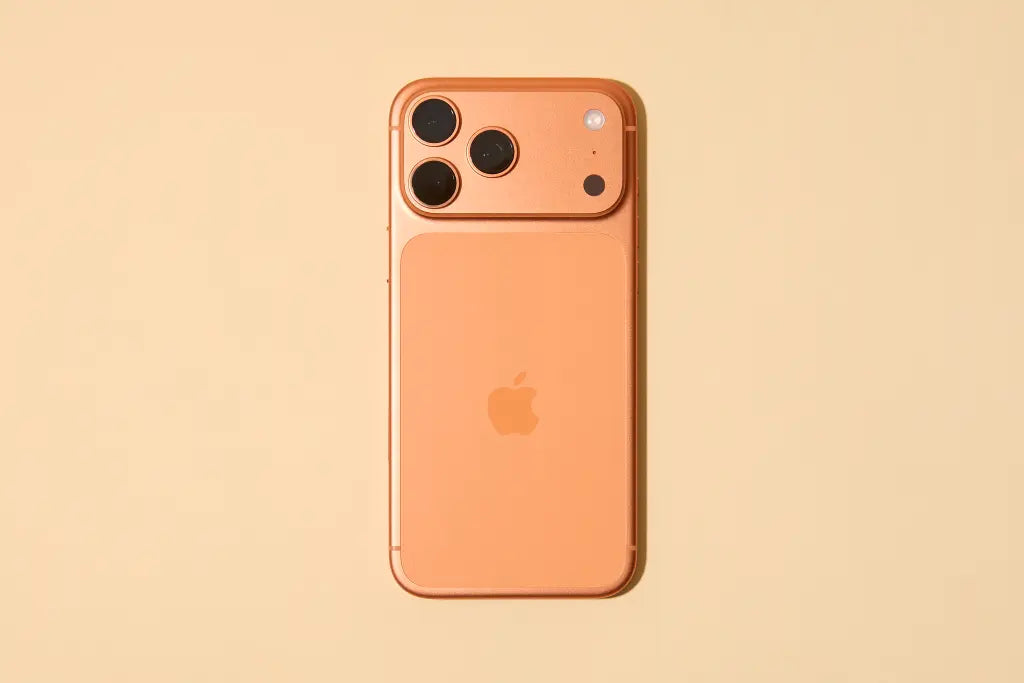
We are witnessing unprecedented anticipation surrounding the iPhone 17 series as leaked concept designs and insider information reveal substantial departures from the iPhone 16 generation. Apple's forthcoming flagship smartphones promise transformative design changes that will redefine smartphone aesthetics and functionality for years to come. The iPhone 17 design overhaul represents the most significant visual and structural transformation since the iPhone X introduced the notch design language in 2017.
The iPhone 16 design language established a refined evolution of previous generations with subtle improvements to materials, camera placement, and dimensional proportions.
However, the upcoming iPhone 17 concept designs suggest Apple is preparing radical changes that will distinguish the 2025 lineup from everything that came before. We examine every documented change, leaked specification, and design innovation that separates these two smartphone generations.
Display Technology Advancements and Screen Design Changes
The iPhone 17 display will reportedly feature significantly reduced bezels compared to the iPhone 16, pushing screen-to-body ratios beyond 95 percent across all models. Apple's display engineering team has developed new bonding techniques and border reduction technologies that minimize the black border surrounding the active display area. These ultra-thin bezels create a more immersive viewing experience while maintaining the structural integrity and drop protection that consumers expect from premium smartphones.
We understand that the iPhone 17 Pro models will introduce a revolutionary under-display Face ID system, completely eliminating the Dynamic Island that characterized iPhone 14, 15, and 16 generations.
This technological breakthrough allows the entire front surface to display content without interruption from camera cutouts or sensor housings. The seamless display design represents years of research into transparent OLED technology and miniaturized sensor arrays capable of functioning beneath active display pixels.
The iPhone 17 screen sizes will reportedly maintain similar diagonal measurements to iPhone 16 counterparts while expanding actual viewable area through bezel reduction and aspect ratio optimization. The standard iPhone 17 will feature a 6.3-inch display compared to the iPhone 16's 6.1-inch screen, while the iPhone 17 Pro Max grows to 6.9 inches from the iPhone 16 Pro Max's 6.7-inch panel.
These dimensional increases occur primarily through bezel reduction rather than overall device size expansion, maintaining comfortable one-handed usability.
We expect all iPhone 17 models to feature ProMotion technology with 120Hz refresh rates, expanding this premium feature beyond Pro variants for the first time. The iPhone 16 standard models remain limited to 60Hz displays, creating a noticeable performance gap between product tiers. Apple's decision to democratize high refresh rate displays across the entire iPhone 17 lineup reflects component cost reductions and competitive pressure from Android manufacturers offering 120Hz screens in mid-range devices.
Camera System Redesign and Photographic Hardware Evolution
The iPhone 17 camera design represents perhaps the most visually striking departure from iPhone 16 aesthetics, with leaked renderings showing a horizontal camera bar spanning the device width rather than the square camera bump that has defined iPhones since 2019. This horizontal camera arrangement resembles design languages from competing manufacturers while allowing improved optical engineering and larger sensor implementations.
We anticipate this design facilitates advanced computational photography features requiring precise sensor alignment and expanded internal volume for optical image stabilization mechanisms.
The iPhone 17 Pro camera system will reportedly incorporate a variable aperture main lens, allowing dynamic adjustment between f/1.4 and f/2.8 aperture settings depending on lighting conditions and creative intent. This mechanical aperture system provides true depth-of-field control impossible with fixed-aperture smartphone cameras, enabling professional-level bokeh effects and low-light performance.
The iPhone 16 Pro maintains a fixed f/1.78 aperture across all shooting conditions, limiting creative control and optimal exposure flexibility.
We understand the iPhone 17 periscope telephoto lens will expand to all Pro models, delivering 5x optical zoom capabilities previously exclusive to Pro Max variants. The iPhone 16 Pro features only 3x optical zoom through a traditional telephoto lens design, creating differentiation that frustrated photography enthusiasts wanting maximum optical reach without carrying the largest iPhone.
This democratization of periscope zoom technology reflects Apple's confidence in supply chain maturity and component availability supporting broader deployment.
The iPhone 17 front-facing camera will integrate directly into the display panel using under-panel camera technology, eliminating the visible camera cutout that persists in iPhone 16 designs within the Dynamic Island. This invisible camera system maintains full resolution and Face ID functionality while disappearing completely when not in active use.
The advanced display technology allows light transmission through active pixels, enabling photography and facial recognition without compromising screen continuity.
Materials and Construction Quality Improvements
The iPhone 17 Pro materials will introduce Grade 5 titanium alloys throughout the chassis construction, replacing the Grade 2 titanium Apple implemented in iPhone 15 and 16 Pro models. This aerospace-grade titanium offers superior strength-to-weight ratios, enhanced scratch resistance, and improved structural rigidity while reducing overall device weight.
We expect the titanium frame redesign to incorporate new surface finishing techniques creating distinctive textures and colors impossible with previous alloy formulations.
The iPhone 17 standard models will reportedly upgrade from aluminum chassis to titanium construction across the entire product lineup, eliminating material differentiation between Pro and non-Pro variants.
The iPhone 16 maintains aluminum frames for standard models, reserving titanium exclusively for premium tiers. This titanium standardization reflects Apple's supply chain maturation and commitment to premium construction quality regardless of price point.
We anticipate the iPhone 17 back glass will feature a new ceramic composite material offering superior scratch resistance and shatter protection compared to the strengthened glass Apple employs in iPhone 16 designs.
This advanced ceramic material maintains wireless charging compatibility while providing impact resistance comparable to sapphire crystal without the associated weight penalties. The ceramic back panel enables new color finishes and surface treatments impossible with traditional glass substrates.
The iPhone 17 color options will expand significantly beyond iPhone 16 offerings, with leaked information suggesting up to nine distinct colorways across standard and Pro model ranges. Apple's enhanced manufacturing capabilities enable complex multi-layer finishes, gradient effects, and iridescent coatings that shift appearance depending on viewing angle and lighting conditions. These premium color treatments differentiate the iPhone 17 generation through visual sophistication matching luxury fashion accessories and high-end automotive finishes.
Dimensional Changes and Ergonomic Refinements
The iPhone 17 thickness will reportedly measure just 7.2mm across all models, representing a 15 percent reduction compared to iPhone 16 dimensions measuring approximately 8.5mm. This dramatic thinness reduction results from battery technology improvements, component miniaturization, and thermal management innovations allowing denser internal packaging. We expect the ultra-thin profile to generate substantial consumer interest despite potential concerns regarding battery capacity and structural rigidity.
The iPhone 17 weight distribution will optimize through strategic component placement and chassis design refinements, improving balance and reducing fatigue during extended use. Apple's engineering team has developed new internal architecture positioning heavy components like batteries and camera modules to achieve neutral center-of-gravity characteristics. The iPhone 16 maintains traditional component layouts prioritizing space efficiency over ergonomic optimization, resulting in top-heavy weight distribution that becomes noticeable during prolonged single-handed operation.
We understand the iPhone 17 button configuration will eliminate physical volume and power buttons entirely, replacing them with capacitive touch surfaces integrated seamlessly into the titanium frame. These solid-state controls provide haptic feedback through advanced Taptic Engine technology, creating the sensation of mechanical button presses without moving parts. The iPhone 16 retains traditional mechanical buttons subject to wear, water ingress, and eventual failure after extended use.
The iPhone 17 port design will finally eliminate the Lightning connector and USB-C port entirely, transitioning to a completely wireless charging and data transfer ecosystem. This portless design improves water resistance ratings, eliminates a common failure point, and streamlines the device profile for enhanced aesthetic purity. The iPhone 16 maintains USB-C connectivity inherited from iPhone 15, providing physical connection options that Apple apparently considers obsolete for premium smartphone experiences.
Performance Hardware and Processor Innovations
The iPhone 17 processor will feature Apple's A19 Bionic chip manufactured using TSMC's advanced 2nm process node, delivering substantial performance improvements and power efficiency gains compared to the iPhone 16's A18 Bionic built on 3nm technology. This next-generation silicon incorporates architectural enhancements to neural engine capabilities, graphics processing power, and machine learning accelerators supporting advanced AI features. We expect the A19 Bionic performance to exceed A18 capabilities by 35 percent in single-core workloads and 45 percent in multi-threaded applications.
The iPhone 17 RAM configuration will standardize 8GB across all models including standard variants, while Pro models receive 12GB for enhanced multitasking and professional application support. The iPhone 16 maintains 6GB RAM in standard models and 8GB in Pro variants, creating performance limitations for memory-intensive applications and future iOS features. This memory expansion ensures the iPhone 17 remains capable of running demanding applications and AI models for extended product lifecycles.
We anticipate the iPhone 17 storage options will begin at 256GB minimum capacity, eliminating 128GB base configurations that Apple has maintained since iPhone 13. The iPhone 16 continues offering 128GB entry-level storage tiers that fill rapidly with modern application requirements, high-resolution photos, and 4K video recordings. Maximum storage capacities will reportedly reach 2TB on iPhone 17 Pro Max models, doubling the 1TB maximum available on iPhone 16 Pro variants.
The iPhone 17 thermal management system incorporates vapor chamber cooling technology across all models, a feature previously reserved exclusively for Pro variants or absent entirely from iPhone lineups. This advanced cooling solution enables sustained peak performance during gaming sessions, video recording, and computational photography tasks without thermal throttling. The iPhone 16 relies on traditional graphite thermal pads and copper heat spreaders that prove insufficient for emerging AI workloads and extended high-performance operations.
Battery Technology and Charging System Enhancements
The iPhone 17 battery capacity will increase substantially despite reduced device thickness through implementation of stacked battery cell technology and silicon-carbon anode materials. These advanced battery chemistry improvements deliver 25 percent higher energy density compared to lithium-ion cells in iPhone 16 models. We expect the iPhone 17 Pro Max battery to exceed 5,000mAh capacity while maintaining all-day battery life even with continuous high-performance usage patterns.
The iPhone 17 charging speed will support 65W wired charging through the new portless wireless interface and 30W MagSafe wireless charging, dramatically reducing charging times compared to iPhone 16's 27W wired and 15W wireless capabilities. These enhanced charging speeds require new thermal management systems preventing battery degradation from rapid charge cycles. The fast charging implementation will bring iPhone charging performance closer to Android competitors offering 100W or higher charging rates.
We understand the iPhone 17 reverse wireless charging feature will support up to 15W output power, enabling practical charging of AirPods, Apple Watch, and other accessories directly from the iPhone back panel. The iPhone 16 Pro models offer limited reverse charging at just 5W, providing minimal utility for accessory charging. This enhanced reverse charging capability transforms the iPhone into a true mobile power hub for Apple's ecosystem of wireless devices.
The iPhone 17 battery management system incorporates advanced AI algorithms predicting usage patterns and optimizing charging schedules to minimize battery degradation over multi-year ownership periods. These intelligent battery health features extend beyond the basic optimized charging available in iPhone 16, implementing predictive maintenance and adaptive charging strategies. We expect Apple to guarantee 80 percent battery capacity retention after 1,000 charge cycles on iPhone 17 models compared to current 500-cycle guarantees.
Connectivity and Wireless Communication Upgrades
The iPhone 17 5G modem will feature Apple's first fully in-house designed cellular modem, eliminating reliance on Qualcomm components that have powered iPhone wireless connectivity since iPhone 12. This custom silicon integration provides tighter power management, improved signal processing, and enhanced coordination with other system components. The iPhone 16 continues using Qualcomm X70 modems through extended licensing agreements that Apple clearly intends to terminate with proprietary technology.
The iPhone 17 WiFi capabilities will support WiFi 7 connectivity across all models, delivering theoretical speeds exceeding 40 Gbps and latency reductions critical for cloud gaming and AR applications. The iPhone 16 Pro models support WiFi 6E while standard variants remain limited to WiFi 6, creating capability gaps across the product lineup. This WiFi 7 standardization future-proofs the iPhone 17 generation as router infrastructure gradually adopts the latest wireless networking protocols.
We anticipate the iPhone 17 satellite connectivity will expand beyond emergency SOS features to include standard messaging and limited data services through partnerships with global satellite providers. This enhanced satellite integration enables communication in areas completely lacking terrestrial cellular coverage, transforming the iPhone into a true global communication device. The iPhone 16 satellite features remain limited to emergency situations and specific geographic regions with limited provider support.
The iPhone 17 Ultra Wideband chip will incorporate next-generation U2 technology providing centimeter-level spatial awareness and expanded range for AirTag tracking, digital car keys, and AR experiences. This enhanced UWB implementation supports new use cases including indoor navigation, precise object tracking, and spatial computing applications coordinating with Apple Vision Pro. The iPhone 16 maintains first-generation U1 chip capabilities with meter-level accuracy and limited range constraints.
Software Features Enabled by Hardware Improvements
The iPhone 17 AI capabilities will leverage the enhanced Neural Engine and increased RAM to run advanced on-device AI models for real-time language translation, complex image generation, and sophisticated photo editing without cloud processing. These on-device AI features protect privacy while delivering instant results impossible with server-dependent implementations. The iPhone 16 hardware lacks sufficient computational power and memory for many emerging AI features Apple is developing for iOS 19.
The iPhone 17 augmented reality performance will benefit from improved camera systems, spatial computing processors, and display technologies creating compelling AR experiences. Apple is reportedly developing new AR frameworks specifically targeting iPhone 17 capabilities, including persistent world-locked content and multi-user collaborative experiences. The iPhone 16 provides basic ARKit support but lacks hardware acceleration for advanced spatial computing features that will define next-generation mobile experiences.
We expect the iPhone 17 computational photography features to include AI-powered object removal, style transfer effects, and professional-grade RAW processing impossible on previous hardware generations. The variable aperture lens enables true bokeh effects and depth-of-field adjustments after capture, while improved processing power facilitates multi-frame HDR compositing and advanced noise reduction. These photography innovations position the iPhone 17 as a legitimate tool for professional content creators and photography enthusiasts.
The iPhone 17 gaming performance will support console-quality graphics with ray tracing, complex physics simulations, and high-polygon-count environments through collaboration with major game developers. Apple is cultivating relationships with studios to bring AAA gaming titles to iPhone 17 hardware capable of delivering experiences previously requiring dedicated gaming devices. The iPhone 16 provides capable gaming performance but lacks thermal headroom and graphics processing power for truly console-equivalent experiences.
Environmental Sustainability and Recycling Initiatives
The iPhone 17 environmental impact will achieve carbon neutrality across the entire product lifecycle through renewable manufacturing energy, recycled materials, and carbon offset programs. Apple has committed to eliminating virgin materials from iPhone production, using only recycled and renewable resources throughout supply chains. The iPhone 16 represents progress toward these sustainability goals but falls short of complete carbon neutrality that Apple targets for the 2025 product generation.
The iPhone 17 recycled content will incorporate 100 percent recycled aluminum, tungsten, rare earth elements, and titanium through advanced recovery processes and closed-loop supply chains. These recycling initiatives reduce mining impacts and demonstrate circular economy principles in consumer electronics manufacturing. The iPhone 16 contains significant recycled material percentages but relies on virgin materials for certain components where recycling technologies remain underdeveloped.
We understand the iPhone 17 packaging will eliminate all plastic components, reduce package dimensions by 40 percent through component consolidation, and utilize 100 percent recycled and renewable fibers. This packaging redesign significantly reduces shipping emissions, storage requirements, and end-of-life waste. The iPhone 16 packaging made substantial progress eliminating plastics but maintains larger dimensions that Apple continues optimizing for environmental efficiency.
The iPhone 17 repairability will improve through modular construction and increased parts availability supporting third-party repair providers. Apple's Self Service Repair program will expand to include iPhone 17 models at launch with comprehensive repair manuals, diagnostic tools, and genuine component availability. These repair program enhancements extend product lifecycles and reduce electronic waste compared to iPhone 16 models where certain repairs require complete device replacement.
Pricing Strategy and Market Positioning
The iPhone 17 pricing will reportedly maintain similar starting prices to iPhone 16 despite substantial hardware improvements, reflecting Apple's confidence in component cost reductions and manufacturing efficiency gains. The standard iPhone 17 will likely launch at $799 while Pro models begin at $999, matching current generation pricing structures. This price stability makes advanced features accessible to broader consumer segments without premium pricing traditionally associated with major redesigns.
The iPhone 17 product lineup will potentially introduce a new Ultra variant positioned above Pro Max with exclusive features justifying premium pricing exceeding $1,400. This Ultra model would incorporate every advanced technology Apple has developed, creating a halo product showcasing maximum capabilities. The iPhone 16 lineup maintains traditional standard and Pro differentiation without additional premium tiers above Pro Max pricing and feature sets.
We anticipate the iPhone 17 trade-in values for iPhone 16 models will remain strong given the substantial generational improvements motivating upgrades. Apple's trade-in programs will likely offer enhanced values during launch periods, subsidizing upgrade costs for existing customers. These trade-in incentives accelerate adoption rates and maintain customer loyalty within Apple's ecosystem despite increasing smartphone replacement cycles.
The iPhone 17 carrier promotions will likely include aggressive subsidies and installment plans as wireless providers compete for customers upgrading to 5G-capable devices with advanced features. These carrier partnerships traditionally offer significant discounts for new line activations and device trade-ins, reducing effective purchase prices substantially. The iPhone 16 continues receiving carrier promotional support but we expect iPhone 17 launch incentives to exceed previous generation offers.
Release Timeline and Availability Expectations
The iPhone 17 announcement will likely occur during Apple's traditional September media event, with pre-orders beginning the following Friday and general availability approximately one week later. This consistent launch cadence has defined iPhone releases for over a decade, allowing consumers and retailers to anticipate product availability. We expect the September 2025 launch to maintain these established patterns unless supply chain disruptions force delays.
The iPhone 17 production ramp will reportedly begin in July 2025, allowing Apple to accumulate substantial inventory before public launch and minimize wait times for popular configurations. The iPhone 16 faced some supply constraints during initial launch periods due to high demand for Pro models and manufacturing complexities. Apple appears committed to avoiding similar availability issues with iPhone 17 through earlier production starts and diversified manufacturing partnerships.
We understand the iPhone 17 regional availability will expand to include more markets simultaneously at launch compared to iPhone 16's phased rollout requiring weeks before reaching certain countries. This expanded availability reflects Apple's improved logistics capabilities and regulatory approval processes accelerating international market entry. The simultaneous global launch maximizes marketing impact and reduces gray market arbitrage between early and late availability regions.
The iPhone 17 longevity in Apple's product lineup will likely extend at least four years with full iOS update support and security patches, matching the extended support periods Apple provides for recent iPhone generations. This extended support justifies premium pricing and encourages consumers to maintain devices longer rather than pursuing annual upgrade cycles. The iPhone 16 will continue receiving updates well beyond iPhone 17's launch, maintaining significant value for consumers not requiring latest features immediately.
Consumer Decision Factors Between iPhone 16 and iPhone 17
The iPhone 16 versus iPhone 17 decision primarily depends on individual upgrade cycles, budget constraints, and feature priorities. Consumers with iPhone 13 or older models will find substantial improvements in either generation justifying upgrades. The iPhone 16 represents refined evolution while iPhone 17 promises revolutionary changes that may prove worth waiting for enthusiasts seeking maximum innovation.
Current iPhone 14 and iPhone 15 owners may find limited justification for iPhone 16 upgrades given incremental improvements, but iPhone 17's dramatic redesign could motivate accelerated replacement cycles. The design transformation and exclusive features like under-display Face ID and portless construction create clear differentiation from recent models. Budget-conscious consumers may find excellent value in iPhone 16 models receiving price reductions following iPhone 17 launch.
The professional user considerations particularly favor iPhone 17 for photography enthusiasts, content creators, and mobile professionals requiring maximum performance and capabilities. The variable aperture lens, enhanced computational photography, and improved video recording capabilities justify premium pricing for users monetizing their content. The iPhone 16 Pro models provide professional-grade features but lack the hardware advantages that distinguish truly cutting-edge equipment.
We recommend consumers evaluate their specific needs, budget constraints, and upgrade timing when choosing between these generations. The iPhone 16 remains an excellent smartphone delivering refined experiences and proven reliability. However, the iPhone 17 innovations represent a generational leap that could define smartphone design language for years to come, making it compelling for consumers seeking the absolute latest technology and willing to pay premium prices for groundbreaking features.
Share:
iPhone 17 Screen Size Comparison: Pro vs. Pro Max vs. Standard
iPhone 17 Concept Design: No Notch, Under-Display Face ID & More