
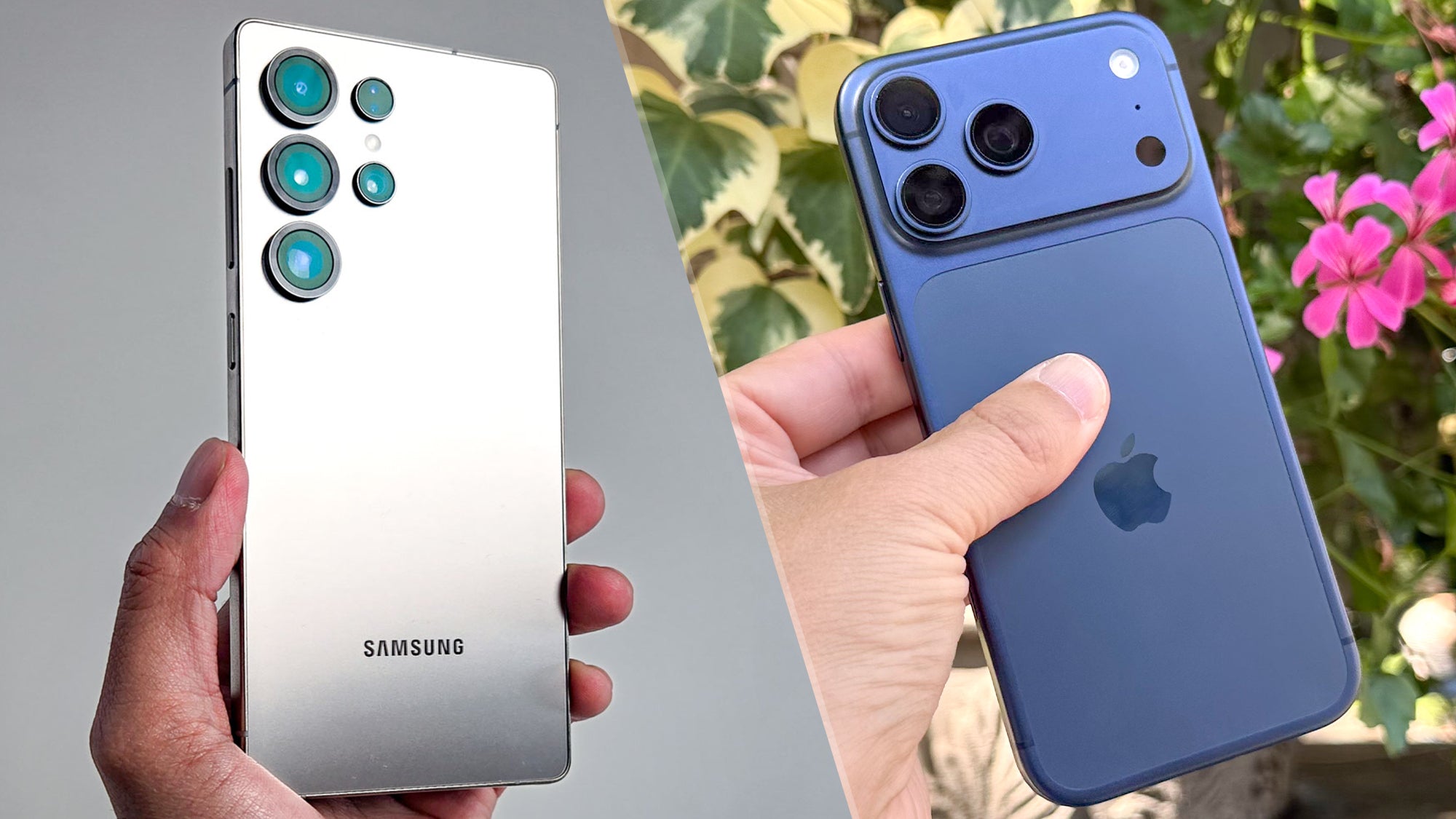
We present an exhaustive comparison between the iPhone 17 and Samsung Galaxy S26, two flagship devices representing the pinnacle of smartphone innovation in 2025. These premium handsets showcase cutting-edge technology, revolutionary features, and performance capabilities that redefine mobile computing expectations. Our detailed analysis examines every specification, feature differentiation, and practical consideration helping consumers make informed purchasing decisions between these technological powerhouses.
The iPhone 17 series introduces groundbreaking advancements in Apple's smartphone lineup, featuring refined design language, enhanced computational photography, and revolutionary chipset architecture delivering unprecedented performance levels. Apple continues pushing boundaries with advanced materials, sophisticated manufacturing processes, and seamless ecosystem integration distinguishing iPhone from competitors. We analyze how these innovations translate into real-world benefits for demanding users.
The Samsung Galaxy S26 represents Samsung's flagship Android offering, incorporating the latest display technology, versatile camera systems, and powerful processing capabilities. Samsung's expertise in hardware manufacturing, display innovation, and feature-rich software customization creates compelling alternatives to Apple's ecosystem. We examine how Samsung's approach to smartphone design and functionality compares against Apple's refined simplicity and controlled integration.
Display Technology and Screen Specifications Comparison
The iPhone 17 features a 6.3-inch Super Retina XDR display utilizing advanced OLED technology with ProMotion adaptive refresh rates spanning 1Hz to 120Hz. Apple's display engineering achieves peak brightness levels exceeding 2000 nits for HDR content and 1600 nits typical maximum brightness, ensuring exceptional outdoor visibility and stunning HDR video playback. The screen resolution reaches 2796 x 1290 pixels delivering 460 pixels per inch density, providing razor-sharp text rendering and photographic detail reproduction.
The Samsung Galaxy S26 incorporates a 6.4-inch Dynamic AMOLED 2X display with adaptive refresh technology ranging from 1Hz to 120Hz, optimizing battery efficiency while maintaining fluid interface responsiveness. Samsung's display achieves peak brightness exceeding 2200 nits and features a resolution of 3120 x 1440 pixels with approximately 516 pixels per inch density. The superior pixel density provides marginally sharper image rendering, particularly noticeable when viewing high-resolution photographs or reading small text.
We observe that display color accuracy differs between these devices, with iPhone 17 targeting precise color reproduction calibrated for professional content creation and photography workflows. Apple implements industry-standard color spaces including sRGB, Display P3, and advanced HDR formats ensuring consistent color representation across devices. Samsung's display offers more saturated colors appealing to consumers preferring vibrant, punchy visuals, though professional color modes provide accurate reproduction when required.
Processor Performance and Computational Capabilities
The iPhone 17 incorporates Apple's A19 Bionic chip manufactured using advanced 3-nanometer process technology, featuring a sophisticated architecture with high-performance and efficiency cores optimized for diverse workloads. The processor includes a 6-core CPU configuration, 6-core GPU, and 18-core Neural Engine capable of 40 trillion operations per second. This computational powerhouse delivers industry-leading single-core performance exceeding competing Android processors by substantial margins.
The Samsung Galaxy S26 utilizes Qualcomm's Snapdragon 8 Gen 4 processor in most markets, while select regions receive Samsung's Exynos 2500 chipset. The Snapdragon variant features an 8-core CPU architecture with one prime core, multiple performance cores, and efficiency cores manufactured using 3-nanometer process technology. The integrated Adreno GPU delivers exceptional graphics performance for mobile gaming and computational photography applications.
We find that benchmark performance favors iPhone 17 in single-core tasks, demonstrating superior responsiveness for everyday interactions, app launching, and interface navigation. Multi-core performance remains competitive between devices, with Samsung occasionally edging ahead in specific workloads benefiting from additional CPU cores. Real-world performance differences remain minimal for typical usage scenarios, though professional applications and intensive multitasking favor iPhone's optimized hardware-software integration.
Camera Systems and Photography Capabilities
The iPhone 17 camera system features a triple-lens configuration including a 48-megapixel main wide sensor with second-generation sensor-shift optical image stabilization, a 48-megapixel ultra-wide camera with macro capabilities, and a 12-megapixel telephoto lens offering 5x optical zoom. Apple's computational photography leverages advanced machine learning algorithms, Deep Fusion processing, and Photonic Engine technology producing exceptional image quality across diverse lighting conditions.
The Samsung Galaxy S26 cameras comprise a 200-megapixel main sensor with multi-directional phase detection autofocus and optical image stabilization, a 50-megapixel ultra-wide camera, a 10-megapixel 3x telephoto lens, and a 50-megapixel 5x periscope telephoto camera. Samsung's quad-camera arrangement provides superior optical zoom versatility, enabling high-quality telephoto photography without digital cropping artifacts. The massive main sensor captures extraordinary detail and performs exceptionally in challenging lighting scenarios.
We observe that iPhone 17 video recording maintains Apple's leadership position with support for 4K ProRes video at 60fps, cinematic mode with focus tracking, action mode stabilization, and professional-grade color grading capabilities. Samsung Galaxy S26 counters with 8K video recording at 30fps, director's view showing multiple camera angles simultaneously, and sophisticated video editing tools. iPhone's superior video stabilization and natural color science appeal to content creators prioritizing professional results.
Battery Life and Charging Technology
The iPhone 17 battery capacity reaches approximately 3,877 mAh, delivering all-day battery life under typical usage patterns including web browsing, social media engagement, photography, and streaming video content. Apple's optimization between hardware efficiency and software power management achieves impressive longevity despite smaller battery capacity compared to Android competitors. The device supports 27W wired charging, 15W MagSafe wireless charging, and reverse wireless charging for accessories.
The Samsung Galaxy S26 incorporates a 5,000 mAh battery providing extended runtime particularly beneficial for power users and those unable to charge devices throughout the day. Samsung supports 45W fast charging technology enabling rapid power replenishment, reaching 50 percent capacity in approximately 20 minutes. The device offers 15W wireless charging and reverse wireless PowerShare enabling convenient charging of compatible accessories including earbuds and smartwatches.
We find that real-world battery performance varies significantly based on usage patterns, with Samsung's larger capacity benefiting users engaging in extended gaming sessions, continuous navigation, or heavy multimedia consumption. iPhone's superior power efficiency and intelligent battery management deliver competitive all-day performance despite smaller capacity. Charging speed advantages favor Samsung for users requiring rapid power replenishment between meetings or during brief charging opportunities.
Operating System and Software Experience
The iPhone 17 ships with iOS 19, Apple's latest mobile operating system featuring refined interface design, enhanced privacy controls, and deep integration with Apple's ecosystem services. iOS prioritizes simplicity, security, and consistent user experience across all iPhone models. The operating system receives guaranteed software updates for minimum five years ensuring security patches, feature additions, and performance optimizations long after purchase.
The Samsung Galaxy S26 runs Android 15 with Samsung's One UI 7 customization layer providing extensive personalization options, feature-rich functionality, and Samsung-specific enhancements. One UI balances powerful capabilities with usable interface design, though complexity exceeds iOS simplicity. Samsung commits to four years of major Android updates and five years of security patches, representing significant improvement over previous update policies but trailing Apple's longer support duration.
We observe that app ecosystem differences significantly impact user experience, with iOS applications often receiving updates, new features, and optimization earlier than Android equivalents. Apple's controlled ecosystem ensures consistent app quality and performance optimization across devices. Android's open platform offers greater flexibility and customization potential appealing to users desiring control over device behavior and appearance beyond iOS limitations.
Design Language and Build Quality
The iPhone 17 design features aerospace-grade titanium frame construction combined with Ceramic Shield front glass and textured matte glass rear panel. Apple's refined industrial design emphasizes premium materials, precision manufacturing, and minimalist aesthetic philosophy. The device measures 146.6mm height, 70.6mm width, and 8.25mm depth while weighing 199 grams. The titanium construction provides exceptional durability while reducing weight compared to previous stainless steel frames.
The Samsung Galaxy S26 utilizes Armor Aluminum frame with Gorilla Glass Victus 3 protecting front and rear surfaces. Samsung's design language incorporates flowing curves, refined edges, and sophisticated color options. The device dimensions reach 146.3mm height, 70.9mm width, and 7.6mm depth with approximate weight of 167 grams. Samsung's slimmer profile and lighter weight enhance handling comfort during extended usage sessions.
We find that build quality remains exceptional on both devices, with premium materials and meticulous assembly delivering products worthy of flagship pricing. iPhone's titanium construction provides superior scratch resistance and structural rigidity, while Samsung's lighter weight reduces hand fatigue. Water resistance ratings reach IP68 on both devices, ensuring protection against dust ingress and water immersion up to specified depths and durations.
Biometric Security and Authentication Methods
The iPhone 17 continues utilizing Face ID facial recognition technology powered by TrueDepth camera system projecting and analyzing thousands of invisible dots creating precise facial maps. The system adapts to appearance changes including facial hair, glasses, and aging while maintaining security standards preventing unauthorized access. Face ID operates seamlessly in diverse lighting conditions and supports attention awareness requiring user focus for authentication.
The Samsung Galaxy S26 incorporates ultrasonic fingerprint sensor embedded beneath the display providing fast, secure biometric authentication. The technology reads three-dimensional fingerprint characteristics resisting spoofing attempts using photographs or molds. Samsung additionally includes facial recognition using front camera for convenient unlocking, though this method lacks security sophistication matching iPhone's Face ID implementation.
We observe that authentication preference varies among users, with some preferring fingerprint scanning's tactile feedback and mask compatibility, while others appreciate Face ID's hands-free operation and enhanced security. iPhone's absence of fingerprint authentication disappointed users who prefer this method, while Samsung's dual biometric options provide flexibility accommodating diverse preferences and usage scenarios.
Storage Options and Memory Configuration
The iPhone 17 offers storage configurations including 128GB, 256GB, 512GB, and 1TB options without expandable memory card support. Apple's proprietary storage solutions deliver exceptional read-write speeds optimized for iOS and application performance. The unified memory architecture shares RAM between system operations and graphics processing, with iPhone 17 featuring 8GB RAM supporting sophisticated multitasking and computational photography processing.
The Samsung Galaxy S26 provides 256GB, 512GB, and 1TB internal storage options with select markets receiving microSD card expansion supporting additional 1TB capacity. Samsung equips the S26 with 12GB RAM enabling extensive multitasking, aggressive app background retention, and smooth performance when running demanding applications. The additional memory capacity benefits users frequently switching between numerous applications or running intensive productivity software.
We find that storage and memory configurations influence device longevity and future-proofing considerations. Samsung's expandable storage appeals to users accumulating large photo libraries, extensive offline media collections, or those preferring avoiding cloud storage subscriptions. iPhone's faster internal storage and optimized memory management deliver exceptional performance despite lower RAM specifications, demonstrating Apple's hardware-software integration advantages.
Connectivity Features and Network Capabilities
The iPhone 17 supports 5G connectivity across sub-6GHz and mmWave frequency bands where available, delivering ultra-fast download speeds exceeding 4Gbps under optimal conditions. The device incorporates WiFi 7 support providing theoretical speeds up to 46Gbps and reduced latency for demanding applications. Bluetooth 5.4 enables reliable wireless audio streaming, accessory connectivity, and precision finding capabilities. Satellite connectivity features enable emergency SOS messaging in areas without cellular coverage.
Share:
iPhone 17 Air Rumors: Apple's Thinnest iPhone Ever Coming?
iPhone 17 vs Samsung S26 Display | Which Screen is Better?